Song Meaning
The lyrics paint a picture of persistent, almost cyclical disappointment, framed by a sense of being unprepared for life's harsh realities. The opening lines, "Lo, the poor Indian / Whose poor untutored mind / Clothes him in front / But leaves him bare behind," immediately establish a tone of vulnerability and a feeling of being caught off guard. This imagery suggests a fundamental lack of foresight or protection against unseen troubles, a theme that echoes throughout the piece. The narrator seems to be grappling with a world where progress is elusive and comfort is a distant, perhaps unattainable, prospect.
The central tension lies in the contrast between hopeful anticipation and the grim reality of stagnation. Phrases like "We'll await with baited breath / For something better than we have" and "Some await with bated breath / For something better than they have" highlight a collective yearning for change that is perpetually unmet. This waiting is not active; it's passive, tinged with the resignation of "Shallow dreams undone / Fruitless and unsung." The recurring image of "Seven horses deep" adds a layer of enigmatic depth, perhaps suggesting an overwhelming, almost insurmountable obstacle or a profound, hidden struggle.
The writing effectively uses jarring juxtapositions to underscore this sense of unease. The "banjo jangles in the subway" is a particularly striking image, blending a folksy, perhaps nostalgic sound with the gritty, impersonal urban environment. This unexpected pairing reflects the internal dissonance the narrator experiences, where elements of hope or tradition are incongruously placed within a landscape of decay and unfulfilled potential. The idea that "Faith contains the seed / Of lowly tragedy" further complicates any simple notions of optimism, suggesting that even belief can lead to sorrow.
Ultimately, the lyrics resonate because they capture a specific kind of weary resignation, a feeling of being stuck in a loop of dashed hopes. The narrative doesn't offer easy answers or triumphant breakthroughs; instead, it focuses on the quiet, persistent ache of unrealized potential and the unsettling feeling of being perpetually exposed. The craft lies in its ability to evoke this pervasive sense of melancholy through understated, yet potent, imagery and a recurring motif of waiting for a better day that never seems to arrive.
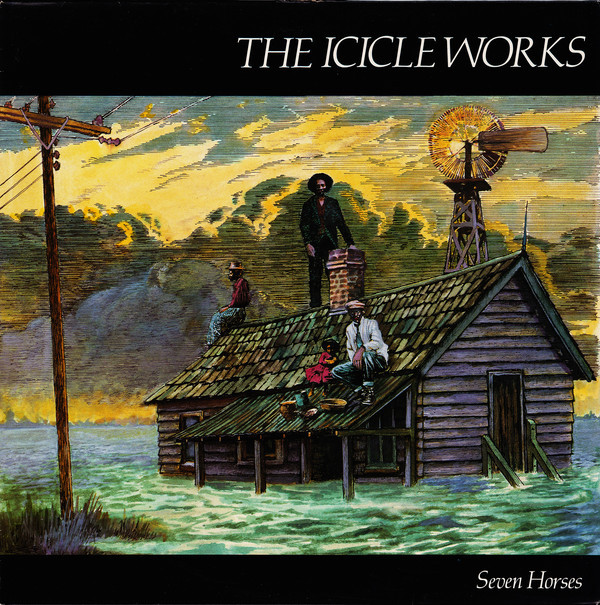
 View Artist