Song Meaning
A vagrant, breathless and suspicious, enters a town where everyone frowns and the newspapers are blank, signaling a profound absence of news or perhaps expression. This immediate scene sets a tone of desolation and a questioning of hope's value in the face of such bleakness. The narrator, "blessed with a cynical gaze," seems to find a perverse reason to "applaud" this situation, perhaps because it aligns with a jaded worldview.
The core tension lies in the conflict between a desire for meaning or change and the apparent futility of expressing it. The "blank pages" and "no more writers around" suggest a societal or personal silence, where "independence" becomes a hollow "recompense" for a lack of genuine voice. The "rapids" are presented as deceptively calm in retrospect, hinting at past struggles or a future that will only appear manageable once it's over, a stark contrast to the present, uncertain flow.
The craft here is particularly sharp in its use of contrasting imagery and ironic pronouncements. The idea of being "deaf from the hydroplanes" is a striking, almost surreal image that grounds the narrator's cynicism in a sensory overload that has rendered them numb. This numbness is further emphasized by the narrator's self-aware "tongue in my cheek" delivery when addressing those who "believe that the status quo changes / With juvenile slogans," highlighting a deep skepticism about superficial activism.
What makes these lyrics resonate is their unflinching portrayal of disillusionment without resorting to simple despair. The narrator’s "cynical gaze" isn't just negativity; it’s a hard-won perspective born from observing a world where hope seems costly and expression is muted. The closing lines, suggesting a shared, albeit jaded, trajectory despite vast distances, offer a peculiar, understated connection, making the cynicism feel less like an endpoint and more like a shared, weary acknowledgment of reality.
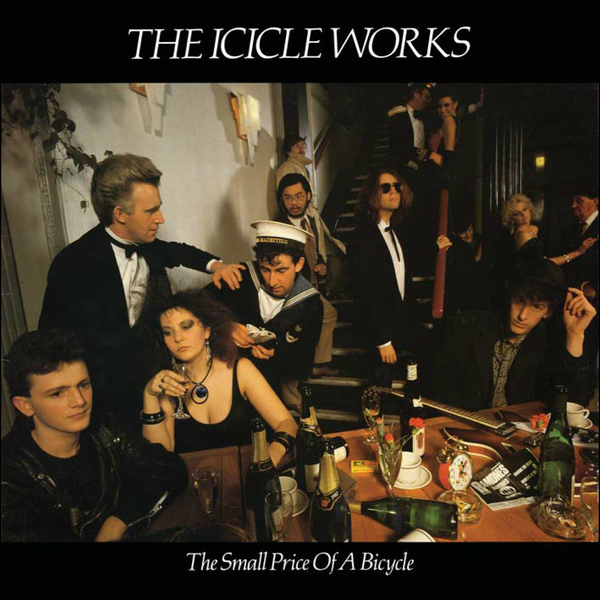
 View Artist