Song Meaning
The lyrics paint a vivid picture of eager anticipation for a reunion. The narrator is consumed by the thought of seeing someone tomorrow, to the point where their present existence feels defined by this future meeting. The repeated phrase "I'll see you tomorrow" acts as a mantra, a constant anchor in the slow passage of time. This isn't just a casual plan; it's an all-encompassing desire that colors the narrator's waking hours and fuels their dreams.
The dominant tension arises from the agonizing slowness of the intervening night. The narrator is "sleepless," actively "watch[ing] the time" and listening to the "quarters chime," each sound amplifying the wait. This acute awareness of time's drag highlights the depth of their longing. The question, "Wondering if you / Are hearing them too," introduces a subtle vulnerability, a hope that the other person shares this same intense anticipation and awareness of the ticking clock.
The craft here is in the stark simplicity and directness. The lyrics avoid complex metaphors, instead relying on the raw emotion of waiting. The contrast between the swiftness of memory ("Seems like just yesterday") and the agonizing slowness of the present night is particularly effective. The declaration, "You've been the only one / Since that first night we met," grounds the anticipation in a deep, established connection, making the wait feel even more significant.
This writing resonates because it captures a universal feeling: the bittersweet ache of separation and the electric thrill of an imminent reunion. The focus on sensory details like the chiming clock and the act of dreaming makes the narrator's experience palpable. It’s the quiet, almost obsessive focus on the future meeting that makes the emotional weight of the lyrics so profound, turning a simple promise into an all-consuming present.
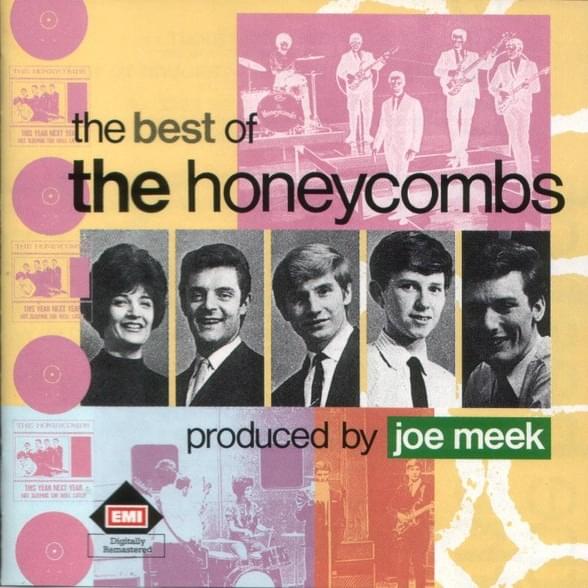
 View Artist