Song Meaning
The narrator is reaching out, desperate for connection on a day that amplifies their isolation. The repeated plea, "On Sunday afternoon, can I come by?" isn't just a casual question; it's a raw expression of profound loneliness. This specific day, Sunday, is framed as the peak of their sorrow, a time when the absence of the other person feels most acute. The memory of seeing them yesterday, causing their "heart stood still," hints at a past connection that now fuels the present ache.
The central tension lies in the narrator's plea for forgiveness and understanding, juxtaposed with the stark reality of separation. They believe their "sorrow" should be enough to mend whatever rift exists, suggesting a hope that the other person will overlook past transgressions. Yet, the lyrics also acknowledge a potential finality: "If you still feel that way than we'll have to part." This creates a painful dichotomy between the desire to reconcile and the fear of permanent loss.
The most striking element is the stark, almost clinical description of enduring pain. Phrases like "my heart's in pain" and "a pain that won't heal" are direct and unadorned. The repetition of "If you still feel that way than we'll have to part / But I'll share a million tears and be left with a broken heart" hammers home the devastating consequence of this unresolved feeling, painting a picture of inevitable heartbreak.
This writing hits hard because it grounds immense emotional suffering in simple, relatable moments and direct language. The focus on a specific day, the clear articulation of pain, and the stark, repeated consequence of continued separation make the narrator's desperation palpable. It’s the raw, unvarnished expression of loneliness and the fear of losing someone that resonates, amplified by the simple, yet devastating, image of a "broken heart."
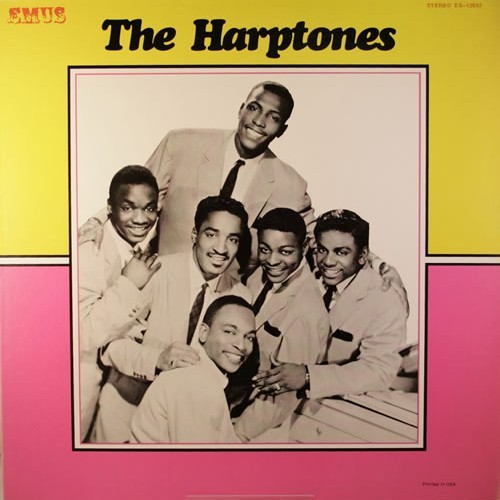
 View Artist