Song Meaning
The lyrics paint a stark picture of a relationship's painful aftermath, where the narrator finds a grim satisfaction in seeing their former lover experience similar heartbreak. The opening lines immediately establish a tone of vindication, directly commanding the other person to "Cry like I cried." This isn't a plea for empathy, but a demand for shared suffering, rooted in the narrator's own profound pain.
The central tension lies in the narrator's refusal to offer forgiveness, despite the ex-partner's apparent remorse and admission of a "mistake." The narrator's insistence that "one broken heart is all I can take" reveals a deep-seated self-preservation, a boundary drawn in the sand after enduring significant emotional damage. The repeated phrase "your heart could be broken like mine" underscores the narrator's belief that this experience is a deserved consequence, a mirroring of their own past agony.
The most striking aspect of the writing is the cyclical nature of the narrative and the narrator's almost detached observation of their ex-partner's pain. The lyrics suggest a sense of inevitability, as if the narrator always knew this day would come: "I knew you'd find, somewhere, sometime." This foresight, coupled with the present-day mirroring of their suffering, creates a powerful sense of closure for the narrator, albeit a cold and unforgiving one. The structure reinforces this, bringing the listener back to the initial command to cry, solidifying the narrator's position.
This lyrical approach is effective because it taps into a raw, often unspoken desire for cosmic justice when deeply hurt. The narrator isn't seeking reconciliation; they are seeking validation through the shared experience of pain. The direct address and the focus on the specific act of crying make the emotional impact immediate and visceral, offering a cathartic, if somber, resolution for the narrator's narrator.
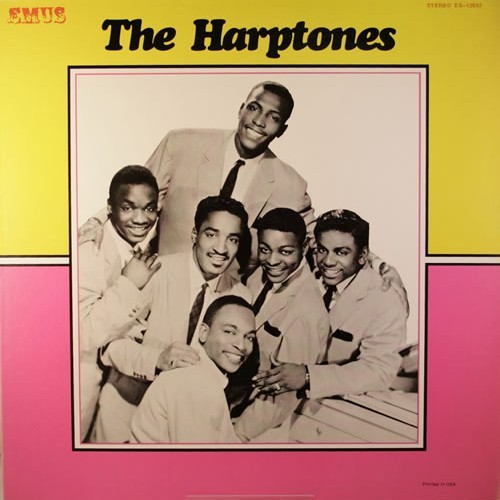
 View Artist