Song Meaning
The narrator recounts moments when a woman sang, each instance tied to a specific image or reference. Initially, her singing about angels prompts her to look skyward, a gesture the narrator observes but doesn't fully engage with, noting, "I let it go by." This sets a tone of detached observation, a pattern that repeats throughout the verses.
The core tension arises from the narrator's passive reception of these performances. When she sings about fields, she gestures as if pushing back cotton on a farm, a vivid image of labor or perhaps escape. Later, her mention of Kurt Cobain leads the narrator to a personal, almost wistful, thought about Tom Verlaine, highlighting a disconnect between her artistic references and his own internal landscape.
The repeated phrase "I let it go by" becomes the song's central motif, emphasizing a missed connection or a failure to act. The narrator's internal monologue, particularly the thought about Tom Verlaine, reveals a deeper, unexpressed feeling or perhaps a longing for a different kind of shared experience. The act of "throwing names" like she did "when I was a kid" suggests a long-standing dynamic, one where the narrator has consistently observed without fully participating.
This lyrical construction creates a poignant portrait of unspoken feelings and missed opportunities. The specificity of the images—angels, fields, Kurt Cobain—grounds the narrative, while the narrator's repeated refrain underscores a profound sense of passive regret. The effectiveness lies in this quiet portrayal of emotional distance, where the most significant actions are the ones *not* taken.
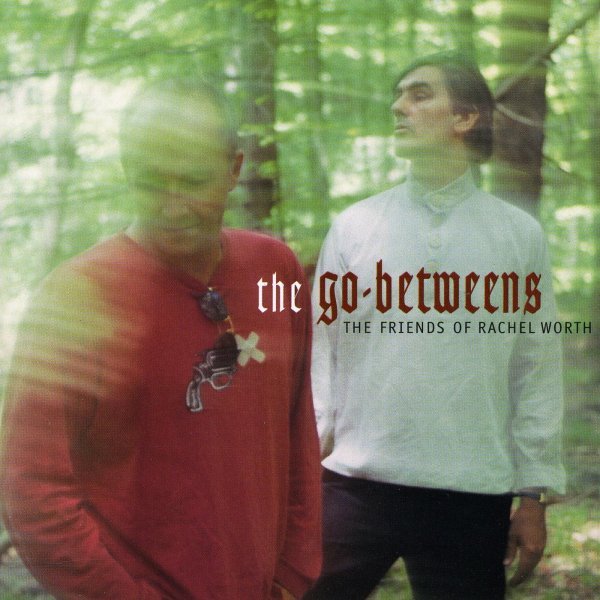
 View Artist