Song Meaning
The lyrics paint a picture of someone observing the world with a sense of resignation, acknowledging its grandeur but feeling detached from its potential. The opening lines, referencing divine creation of hills and a glimpse of a "promised land," establish a spiritual backdrop, yet the narrator's perspective is one of having "seen that is all." This suggests a profound disillusionment, where even the most awe-inspiring sights offer no lasting fulfillment or sense of beginning.
The core tension arises from a perceived stagnation, a feeling of being stuck despite the world's continuous movement. The repeated plea, "Please be kind," hints at vulnerability and a desire for gentleness in the face of this existential inertia. The chorus powerfully articulates this paradox: "The old way out is now the new way in." This phrase suggests a cyclical, perhaps futile, pattern where attempts to escape or find a new path ultimately lead back to the same place, preventing "life" from truly "begin[ning]."
The most striking craft element is the inversion presented in the chorus, where the familiar concept of an "old way out" is re-framed as a "new way in." This linguistic twist underscores the narrator's feeling of being trapped in a loop, where what should be an exit is actually an entrance to the same stagnant reality. The imagery of the "last port of call" where divine intervention "weren't saved" further reinforces this sense of abandonment and the failure of traditional paths to offer salvation or progress.
Ultimately, these lyrics resonate through their stark portrayal of spiritual weariness and the quiet despair of feeling stuck. The narrator's detached observation of creation, coupled with the internal plea for kindness and the cyclical futility described in the chorus, creates a potent emotional landscape. It's the feeling of watching life unfold from the sidelines, unable to find a genuine entry point or escape from a familiar, unfulfilling pattern.
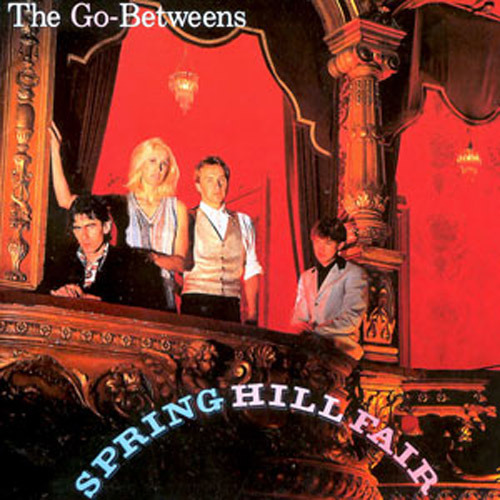
 View Artist