Song Meaning
The lyrics paint a picture of a quiet, perhaps stagnant, town where a significant reunion is about to unfold. The opening lines, "A town without trains / He runs to meet you," immediately establish a sense of anticipation and a journey’s end, but with a peculiar stillness. The narrator seems to have anticipated this moment, even rehearsing a greeting, only to find relief that the expected words are no longer necessary. This suggests a complex emotional landscape, where the relief might stem from an unspoken understanding or a shift in the anticipated dynamic.
The central tension lies in the narrator's resigned acceptance of a perceived universal knowledge: "people know the next steps." This refrain, repeated after descriptions of stagnation and change, hints at a feeling of being out of sync or observing others navigate life's transitions with an ease the narrator doesn't possess. The imagery of a town "without trains" and "no new faces" amplifies this sense of isolation, making the arrival of "him" a notable, perhaps disruptive, event.
The contrast between past and present is starkly drawn. The mention of "a cabin once stood / Where we now stand" powerfully evokes a sense of lost history and the ephemeral nature of physical spaces and relationships. The narrator's acceptance feels less like contentment and more like a quiet surrender to the flow of time and the perceived certainty of others' paths, even as their own past is literally being built over.
Ultimately, the effectiveness of these lyrics comes from their understated portrayal of complex emotions. The repeated phrase, "people know the next steps," acts as a quiet lament, highlighting the narrator's internal struggle with change and belonging. The final lines, bringing the reunion back to the train-less town, suggest that despite the narrator's internal processing, the cycle of arrival and departure, and the accompanying emotional weight, continues.
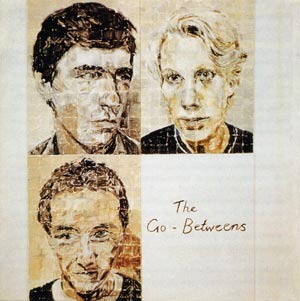
 View Artist