Song Meaning
The lyrics paint a stark, almost surreal picture of a relationship teetering on the edge of self-destruction, framed by a bizarre act of symbolic violence. The opening lines, "Hour later I killed the cuckoo," immediately set a tone of dark, unexpected finality, juxtaposed with a fragile "feather flight lonely." This isn't just about a broken object; it feels like a deliberate extinguishing of something delicate and perhaps time-bound, like a cuckoo clock's chime, signifying a point of no return. The narrator declares, "The clock is dead once and for all," underscoring a sense of irreversible change, though a lingering threat of future encounters remains: "Till the next time I run in with you."
The central tension revolves around a pervasive sense of hopelessness and self-inflicted doom, particularly directed at a figure referred to as "baby doll" or "sweety heart." The narrator observes a woman whose "smile smack of starvation" and whose "legs outstretched towards her salvation" are depicted as a form of "suicide." This bleak outlook is reinforced by the narrator's own state, "ready to be exhumed," suggesting a profound emotional or spiritual death. The repeated refrain emphasizes this fatalistic view, presenting destructive choices as inevitable, almost a default setting for everyone involved.
The most striking aspect of the craft is the unsettling blend of tender endearments with brutal imagery and fatalistic pronouncements. Phrases like "baby doll" and "sweety heart" are twisted into a context of despair, urging the recipient to "take your pill and wash it down with perfume" – a chilling image of numbing oneself with artificial sweetness. The narrator's own pronouncements, like "I can see it in the tea leaves you're fucked," are delivered with an almost casual, yet absolute, certainty. This juxtaposition of affection and annihilation creates a disorienting and deeply unsettling emotional landscape, where salvation is perceived as a prelude to disaster, and even love is laced with the scent of decay.
Ultimately, the lyrics resonate because they capture a specific, raw emotional state: the feeling of being trapped in a cycle of destructive behavior, both personal and relational, with an almost detached, yet profound, sense of inevitability. The narrator's seemingly contradictory actions – killing the cuckoo, observing the woman's demise, and yet still addressing her with pet names – create a complex portrait of someone grappling with despair, perhaps even complicity, in the face of overwhelming bleakness. The effectiveness lies in its unflinching, almost poetic, depiction of this dark internal world, where every hopeful gesture is seen as a step towards ruin.
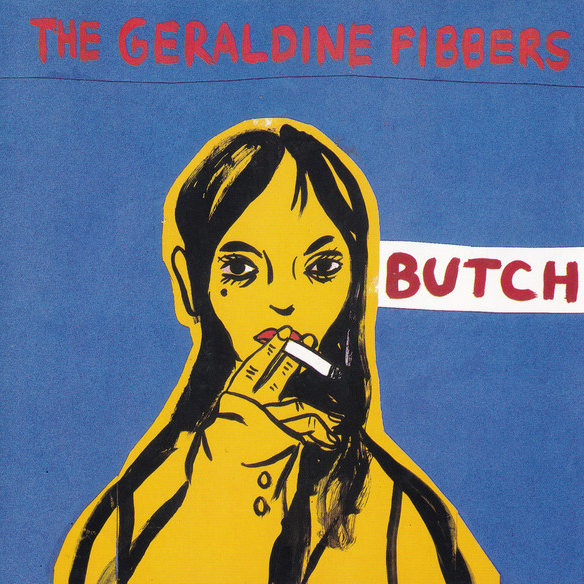
 View Artist