Introduction & Current Status
The Geraldine Fibbers might have been a flash in the pan for the mainstream, but their legacy? That’s main character energy, a whole vibe that keeps resonating with anyone who dares to dig a little deeper into the '90s alt-country and punk scene. Decades after their initial run, this Los Angeles outfit, fronted by the inimitable Carla Bozulich, continues to be a go-to for critics and fans seeking music that’s genuinely raw, unapologetically dark, and utterly devoid of pretense.
Today, their albums aren't just relics; they're blueprints for artists who want to infuse their sound with grit, vulnerability, and a healthy dose of the macabre. Their tracks, once haunting the fringes of college radio, now find new life on curated playlists and in the vinyl collections of Gen Z and Millennial audiophiles who crave authenticity over algorithm. The Fibbers didn't chase trends; they set a mood, and that mood is, frankly, timeless.
Their influence quietly permeates contemporary music, proving that some sounds are just too potent to fade away. When you hear a new artist embracing the beautifully fractured, the darkly poetic, or the genre-bending, there’s a good chance The Geraldine Fibbers unknowingly paved at least part of that thorny path. They’re the cool older sibling whose records you discover years later, realizing they were low-key iconic all along.
Early Life & Background
Before The Geraldine Fibbers became the alt-country darlings of the L.A. underground, their members were already steeped in the city's diverse and often chaotic music landscape. Carla Bozulich, the band's unforgettable voice and lyricist, arrived on the scene with a history rooted in punk and experimental noise. Her early experiences in bands like Ethyl Meatplow laid the groundwork for a performance style that was as confrontational as it was captivating, a true force of nature.
Guitar virtuoso Nels Cline, a jazz and experimental stalwart, brought a wildly inventive sonic palette to the band. Growing up immersed in diverse musical styles, Cline’s approach to the guitar was anything but conventional, bending genres and expectations with every note. His presence in the Fibbers was a crucial ingredient, adding layers of intricate, often dissonant, beauty to their raw sound.
Other key players, like violinist Jessy Greene and bassist William T. Chopper, also came from varied backgrounds, each contributing their unique flair. This melting pot of influences—from country and blues to punk and avant-garde jazz—created a fertile ground for The Geraldine Fibbers to sprout, a band built on a shared desire to push boundaries and defy easy categorization. They weren't just musicians; they were sonic alchemists.
Career Beginnings
The Geraldine Fibbers first coalesced in the early 1990s in Los Angeles, a city known for its sunshine and, paradoxically, its shadowy music scenes. Carla Bozulich, fresh from her previous projects, sought a different creative outlet, one that allowed for more narrative depth and a fusion of country's storytelling with punk's intensity. She found kindred spirits in musicians like Nels Cline, Jessy Greene, and William T. Chopper, and the lineup solidified.
Their initial gigs in the thriving L.A. club circuit quickly garnered attention. Audiences were captivated by Bozulich's raw, theatrical delivery and the band's tight, yet wildly improvisational, sound. They developed a reputation for electrifying live performances that were equal parts cathartic and unsettling, turning dive bars into arenas of emotional reckoning. Word spread through the underground like wildfire.
Signing with Virgin Records was a pivotal moment, giving them a wider platform while famously allowing them to retain significant artistic control. This was a band determined to do things their way, even if it meant challenging commercial norms. Their early EP, Get Thee Gone, released in 1995, served as a potent introduction, signaling that a new, darker voice had arrived to shake up the alt-rock landscape.
Major Albums & Discography
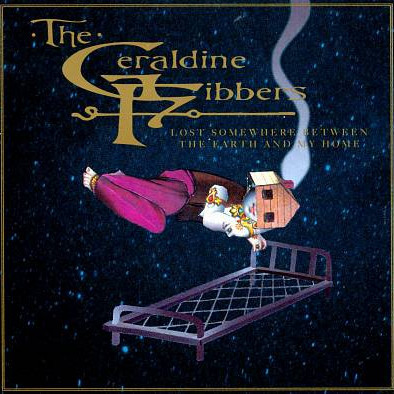
The Geraldine Fibbers' discography, though compact, packs a serious punch, each album a significant marker in their artistic journey. Their full-length debut, Lost Somewhere Between the Earth and My Home, dropped in 1995 and immediately set them apart. This album was a masterclass in gothic Americana, blending country twang with punk snarl and Bozulich's haunting narratives. Critics hailed its originality, praising tracks that felt like ancient folk tales twisted through a modern, cynical lens.
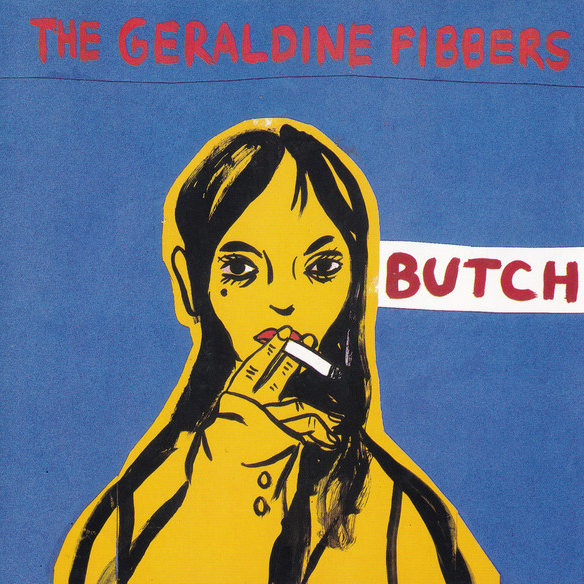
Then came 1997’s Butch, often considered their magnum opus. This album saw the band lean even further into their experimental side, incorporating elements of no-wave and noise rock while retaining their signature grit. It's heavier, more abrasive, and undeniably brilliant, pushing the boundaries of what alt-country could be. Butch showcased Nels Cline's guitar work at its most ferocious and Bozulich's vocals at their most viscerally expressive, cementing their status as uncompromising artists.
Beyond their core studio albums, the band also released various EPs and compilations that are essential listening for any true fan. The 1997 compilation album, also titled The Geraldine Fibbers, offered a fantastic overview of their raw power and unique sound, particularly valuable for those looking to dive into their early work or for international fans. Each release from The Geraldine Fibbers isn't just a collection of songs; it’s a fully realized artistic statement, a testament to a band unafraid to explore the darker corners of the human experience with unflinching honesty.
Hit Songs & Signature Tracks
While The Geraldine Fibbers weren't exactly churning out Billboard Hot 100 toppers, their "hits" were the tracks that seared themselves into the consciousness of anyone who heard them, resonating with a depth far beyond chart positions. Take California Tuffy, a track that perfectly encapsulates their blend of country melancholia and punk defiance. It's a sonic punch to the gut wrapped in a velvet glove, a narrative of resilience against a sun-drenched, yet harsh, landscape.
Then there's the haunting beauty of Toybox, a song that showcases Bozulich's incredible vocal range and storytelling prowess, drawing listeners into a world of fractured memories. And who could forget the raw, unsettling power of I Killed the Cuckoo? It's a prime example of their gothic Americana, a track that feels like it crawled straight out of a Southern Gothic novel.
Other standout tracks include the visceral Trashman in Furs, a gritty, no-holds-barred narrative, and the intense Swim Back to Me, which showcases the band's dynamic shifts between quiet despair and explosive rage. Seven Or In 10, Claudine, and Folks Like Me further illustrate their lyrical depth and musical complexity, each a mini-masterpiece in its own right. The track Pet Angel offers another glimpse into their nuanced songwriting, while the album-titled track Butch stands as a testament to their aggressive, experimental phase, a true sonic assault. These songs, though not chart-busters, achieved something more enduring: they became cult classics, inspiring legions of artists and fans with their uncompromising vision.
Collaborations & Features
The members of The Geraldine Fibbers, particularly Carla Bozulich and Nels Cline, have always been prolific collaborators, their artistic reach extending far beyond the band's primary output. Bozulich, a true chameleon of sound, has lent her distinctive voice and creative vision to numerous projects, including her critically acclaimed work with Evangelista, which further explored her experimental and often challenging sonic landscapes.
Her collaborations often delve into avant-garde and experimental music, showcasing her willingness to push boundaries alongside artists like Lydia Lunch and Marc Ribot. Nels Cline, on the other hand, became a household name for a different audience after joining Wilco in the early 2000s, where his distinctive, often abstract, guitar work added new dimensions to the alt-rock giants. Before Wilco, Cline's extensive discography included collaborations with everyone from jazz legends to indie darlings, solidifying his status as one of the most versatile guitarists alive.
Jessy Greene, the band's accomplished violinist, has also enjoyed a rich career, providing string arrangements and performing with an impressive roster of artists including Foo Fighters, The Jayhawks, and Pink. These individual ventures and collaborations not only highlight the immense talent within The Geraldine Fibbers' ranks but also demonstrate the band's profound impact on a broader musical spectrum, proving that their influence wasn't just confined to their own records.
Awards & Achievements
The Geraldine Fibbers might not have a mantle overflowing with Grammy awards or platinum plaques, but their achievements are measured in a currency far more valuable to true music aficionados: artistic integrity and enduring influence. They earned widespread critical acclaim for their raw, fearless approach to music, consistently praised by outlets like *Rolling Stone*, *Spin*, and *Pitchfork* for their originality and uncompromising vision. Their albums frequently land on "best of the '90s" lists, particularly for alt-country and experimental rock categories, proving their lasting impact.
Their biggest achievement lies in carving out a unique niche in a crowded decade, defying easy categorization and inspiring a generation of musicians to embrace their own unconventional voices. They were the trailblazers who proved that you could blend disparate genres like country, punk, and avant-garde jazz into something cohesive and deeply affecting. This kind of artistic bravery is, in itself, an award that few bands ever truly earn.
Furthermore, their cult following speaks volumes. The loyalty and passion of their fanbase, which continues to grow through word-of-mouth and digital discovery, is a testament to the profound connection their music forged. In an industry often driven by commercial success, The Geraldine Fibbers stand as a powerful reminder that true artistic achievement is about creating work that resonates deeply, challenges perceptions, and stands the test of time, irrespective of mainstream accolades.
Personal Life
While The Geraldine Fibbers were fiercely dedicated to their craft, their public persona largely revolved around their intense artistic output rather than celebrity gossip. Carla Bozulich, the band's charismatic frontwoman, has always been an artist driven by raw expression and a deep commitment to her creative vision. Her personal life, though private, has often informed the profound emotional depth found in her lyrics, tackling themes of pain, love, and resilience with unflinching honesty.
Beyond the stage, members like Nels Cline have also maintained a focus on their extensive musical projects and artistic development, often engaging in various experimental and improvisational endeavors. The band’s ethos always seemed to be about the music first, allowing their work to speak for itself rather than courting tabloid attention. This dedication to their art over spectacle is a defining characteristic that resonated deeply with their loyal fanbase.
Their commitment to their art and their refusal to compromise on their unique sound speaks volumes about their character. They represent a breed of musician who prioritizes creative freedom and genuine expression above all else, often engaging in philanthropic efforts through their music or supporting independent artistic communities, even if not widely publicized. It's a quiet, powerful integrity that defined them then and continues to define them now.
Musical Style & Influence
The Geraldine Fibbers’ musical style is like a finely aged, dangerously potent whiskey: complex, fiery, and leaves an unforgettable burn. They masterfully blended alt-country's narrative depth with punk's unbridled energy, all while infusing a gothic Americana sensibility that felt both ancient and shockingly modern. Think Gram Parsons meets Lydia Lunch with a dash of Nick Cave's shadowy theatrics. Carla Bozulich's vocals, ranging from a tender whisper to a guttural scream, were the ultimate sonic chameleon, embodying every raw emotion imaginable.
Nels Cline's guitar work was equally foundational, a whirlwind of unconventional textures, searing solos, and abstract soundscapes that pushed the boundaries of traditional rock guitar. His experimental jazz background gave the band an unpredictable edge, ensuring their sound was never stagnant. Jessy Greene's violin added layers of haunting beauty and stark melodrama, often serving as a counterpoint to the band's heavier moments, creating a unique sonic tension that few bands could replicate.
Their influence looms large over a diverse range of artists, from indie folk acts who embrace dark storytelling to experimental rock bands who dare to deconstruct traditional song structures. They proved that authenticity and artistic fearlessness trump genre constraints every single time. The Fibbers carved out a space where the beautiful and the brutal could coexist, leaving an indelible mark on the landscape of alternative music and continuing to inspire artists who refuse to color within the lines.
Recent Work & What's Next
While The Geraldine Fibbers as a collective entity concluded their main run in the late '90s, the individual members have continued to forge incredibly rich and diverse artistic paths. Carla Bozulich, post-Fibbers, embarked on a prolific solo career, most notably with her project Evangelista, where she dove even deeper into experimental and drone-influenced soundscapes, continuing to challenge listeners and critics alike with her uncompromising vision. Her recent endeavors see her exploring new sonic territories, always pushing the boundaries of what vocal performance and sound art can achieve.
Nels Cline, as mentioned, found global recognition as the lead guitarist for Wilco, where his distinctive, avant-garde guitar stylings became a cornerstone of their acclaimed sound. Beyond Wilco, Cline maintains a vibrant solo and collaborative career, releasing numerous jazz and experimental albums that showcase his incredible versatility. Jessy Greene continues to be an in-demand session and touring musician, lending her talents to a wide array of high-profile artists and projects.
For fans of The Geraldine Fibbers, "what's next" means continuing to explore the vast individual discographies of its members, each a treasure trove of unique music. It also means the ongoing rediscovery of the band's original catalog by new generations.