Song Meaning
The lyrics paint a picture of societal expectations and the playful, almost chaotic, rebellion against them. Initially, it seems to observe youthful rituals, like trying on makeup or the post-breakup games boys and girls play, framing them as almost performative. The tone shifts as it critiques the seriousness with which certain rules are enforced, suggesting a rigid system that can lead to punishment, symbolized by docking pay or being brought down. The imagery of camels rocking on waves hints at a precarious, perhaps absurd, situation where established order is being disrupted.
The central tension emerges with the declaration, "Waves are through, boys; the girls are taking over." This isn't just a shift in power; it's framed as a crisis that "we can't let this happen." The lyrics then pivot to a more anarchic, self-determined morality, urging the listener to "make them up yourselves." The idea of choosing between hell and a chute suggests a lack of genuine options, while the "shoes left over from Jesus and Satan" points to a moral landscape where even the archetypes are worn out or compromised. The line "one of them wore wings, the other did the painting" offers a cryptic, possibly ironic, contrast between divine inspiration and earthly creation or perhaps a superficial vs. substantive approach.
The most striking craft element is the abrupt, almost vulgar, shift in imagery towards the end. After the abstract moral pronouncements, the lyrics descend into a crude, carnivalesque celebration of primal urges and bodily functions, urging the listener to "Get out your wieners and vagina things" and have a "blast." This jarring transition from religious and societal critique to raw, uninhibited physicality feels like a deliberate attempt to shock and dismantle any lingering sense of decorum or established meaning. The final, almost whispered, "You know what I mean" invites complicity in this subversion.
This lyrical approach is effective because it mirrors the very chaos it describes. It moves from observational detachment to urgent alarm, then to a philosophical deconstruction of morality, and finally lands in a place of raw, unbridled id. The unexpected juxtapositions and the descent into explicit, almost childish, vulgarity create a disorienting but exhilarating effect, challenging the listener to question the seriousness of societal rules and the nature of control itself.
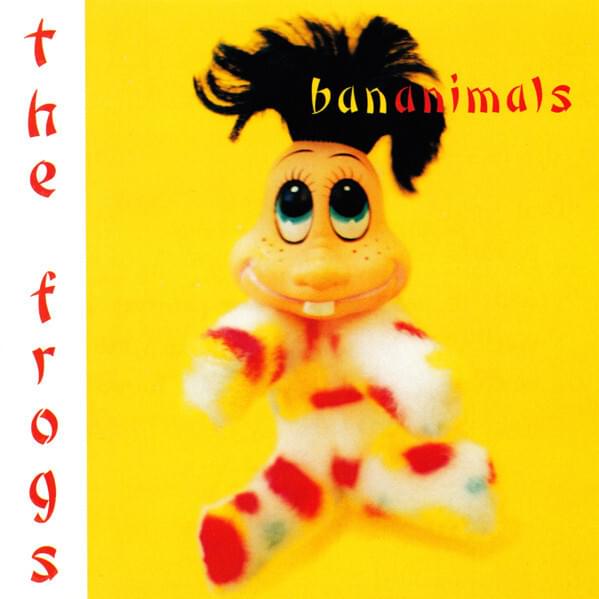
 View Artist