Song Meaning
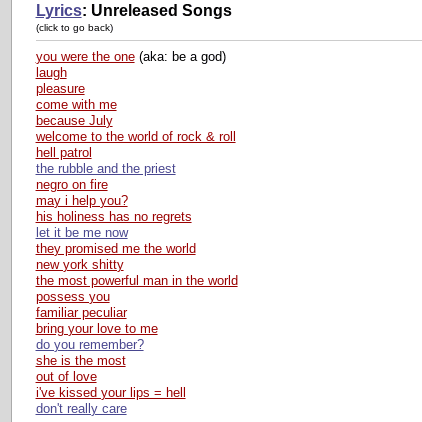
The lyrics paint a stark picture of a narrator experiencing intense persecution, identifying first as "a negro on fire" and later as "a Hebrew on fire." This immediate, visceral imagery establishes a tone of profound suffering and confusion, as the narrator questions the reasons behind their torment. The repeated phrase "I don't know just why they've done this to me" underscores a sense of bewildered helplessness in the face of inexplicable violence.
The central tension lies in the narrator's exhaustion and a desperate desire for the suffering to end, even wishing for "just get it over" and "lynching me" or "torturing me." This isn't a plea for escape, but a weary resignation to an inevitable, brutal fate. The shift from "lynching" to "torturing" broadens the scope of the inflicted pain, suggesting a multifaceted and sustained assault on the narrator's being.
The most striking craft element is the juxtaposition of intense personal suffering with the mundane act of "burning leaves." This creates a chilling contrast: the leaves are burned "so that you can't tell / That they're burning me." The smoke serves as a deliberate obfuscation, a way to hide the horrific reality of the narrator's immolation. The line "well all's well / That smells well done" is a particularly dark and ironic twist, using the language of culinary completion to describe the horrific outcome of their torture.
This lyrical construction is effective because it forces the listener to confront the dehumanizing nature of the violence. By framing the persecution through the narrator's bewildered perspective and contrasting it with the attempt to conceal the act, the lyrics highlight the profound injustice and the systematic effort to erase the victim's suffering from view. The ambiguity of "they" amplifies the sense of pervasive threat, making the personal agony feel both intensely specific and chillingly universal in its depiction of oppression.
 View Artist