Song Meaning
The narrator is caught in a devastating loop of grief, pleading with a former lover to ignore their pain. The core tension lies in the impossible request: to be seen and yet unseen, to acknowledge the heartbreak without acknowledging the person causing it. The repeated command, "Walk on by," becomes a desperate mantra, a shield against further devastation. It’s a plea for distance, a way to manage the overwhelming sadness by pretending it doesn't exist in the other person's presence.
The lyrics paint a stark picture of emotional paralysis. The narrator admits, "I just can't get over losing you," and their public display of sorrow is immediate: "I start to cry each time we meet." This vulnerability is precisely what they want to conceal, leading to the central paradox. They need the other person to "make believe / That you don't see the tears," to allow them to "grieve / In private." This isn't about reconciliation; it's about survival, a desperate attempt to salvage some dignity.
The most striking element is the raw, almost brutal honesty about "foolish pride." This pride is the only thing left, a fragile defense mechanism that compels the narrator to hide their "tears and the sadness." The contrast between the internal breakdown and the external command to "walk on by" is profound. It highlights the immense effort required to maintain composure when utterly shattered, turning a simple act of walking into a monumental performance of indifference.
This song hits hard because it captures that excruciating moment when love’s end forces a performance of strength. The narrator isn't asking for comfort; they're asking for a specific kind of oblivion from the one person who could offer it, but also the one person who embodies the pain. The insistent repetition of "walk on by" underscores the sheer difficulty of this emotional tightrope, making the plea feel both heartbreaking and intensely relatable.
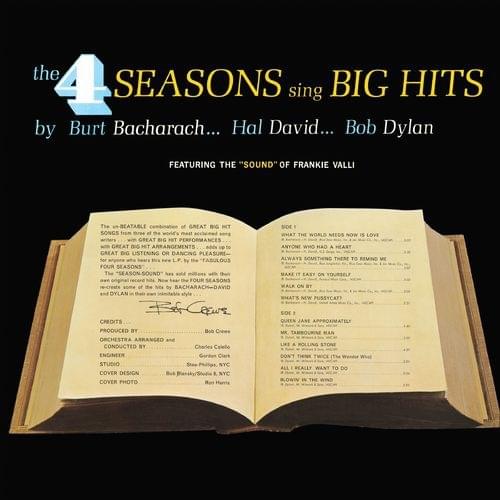
 View Artist