Song Meaning
The lyrics paint a stark picture of loss, where a breakup is so profound it triggers a celestial event. The narrator immediately links their departure to a cosmic sorrow, stating "The day you left me, An angel cried." This isn't just personal grief; it's presented as a universal, almost biblical, tragedy that affects the heavens themselves. The immediate connection between the personal and the cosmic sets a tone of overwhelming, almost supernatural, sadness from the outset.
The central tension lies in the narrator's claim of exclusive knowledge regarding the cause of this immense sorrow. "No one knew the reason why but me," they assert, positioning themselves as the sole witness to the true depth of the pain. This isolation amplifies the feeling of abandonment, as the world experiences the fallout – the cloudy skies, the falling raindrops – without understanding its origin, which only the narrator comprehends. The repeated phrase "That cloudy day, you went away" hammers home the inescapable connection between the person's absence and the bleakness that follows.
The most striking craft element is the personification of the sky and the explicit linking of natural phenomena to emotional states. The "sun had faded and died" and "clouds had filled up the skies" are not mere atmospheric descriptions but direct reflections of the narrator's internal devastation. This culminates in the powerful metaphor of raindrops as tears, not just the narrator's, but an angel's. The bridge, with its direct address to a "guardian angel," reinforces this, suggesting that even a divine protector weeps for the narrator's pain, underscoring the magnitude of the hurt.
This lyrical construction is effective because it elevates personal heartbreak to an epic, almost mythic, scale. By framing the breakup as an event that makes an angel cry, the lyrics validate the narrator's extreme grief. The repetition of "An angel cried" and the consistent imagery of a darkened, weeping sky create a powerful, melancholic atmosphere that resonates deeply, making the personal pain feel universally significant and profoundly tragic.
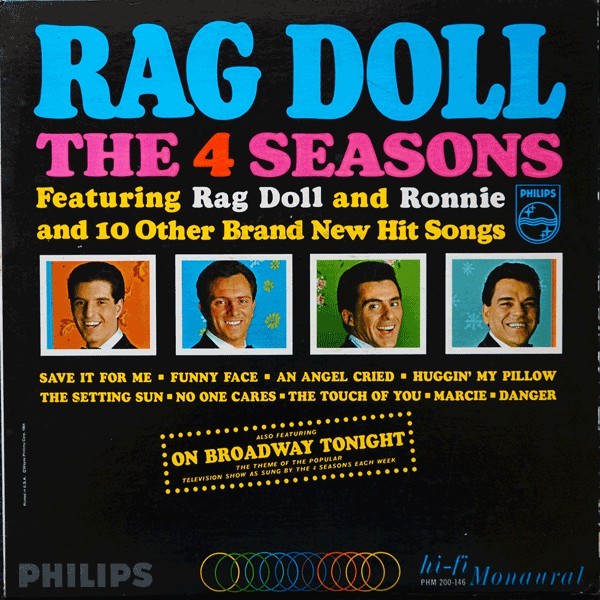
 View Artist