I Can Dream, Can’t I?
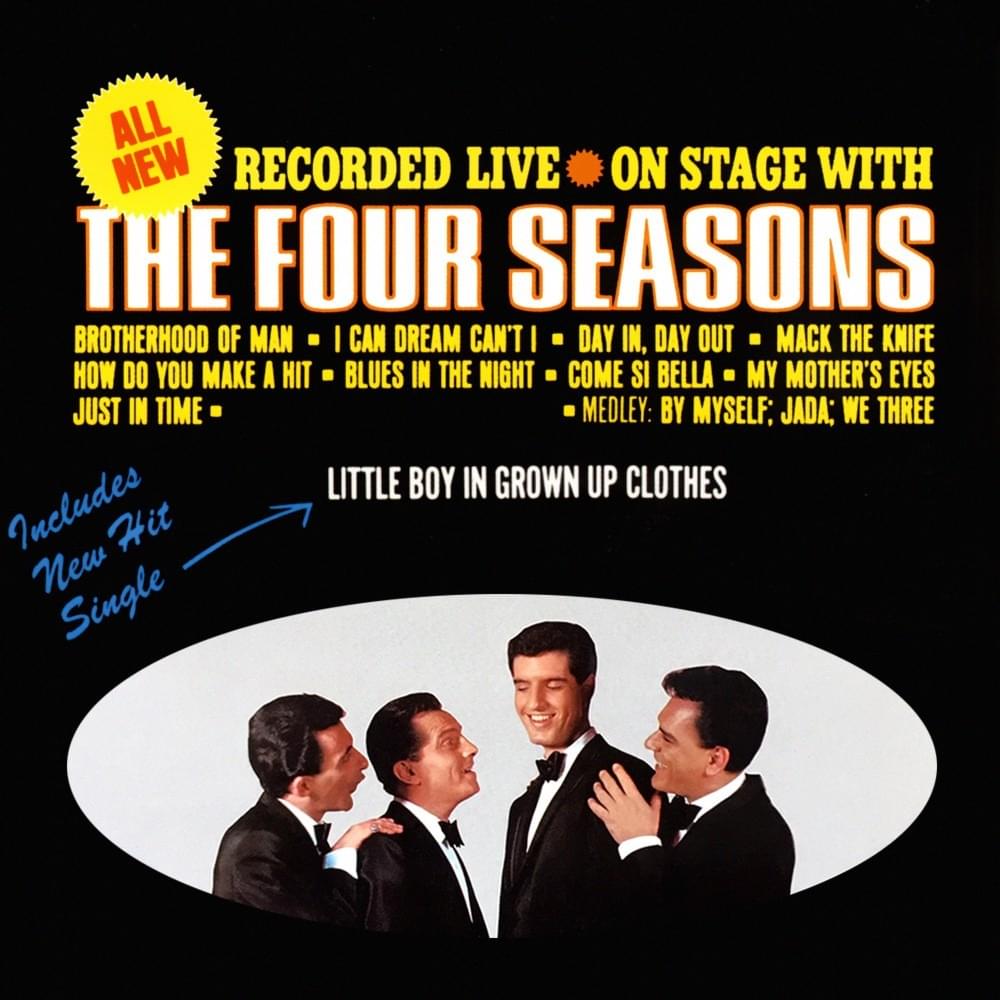
 View Artist
Lyrics
I can see No matter how near you'll be You'll never belong to me But I can dream, can't I? Can't I pretend that I'm lost in the bend of your embrace? For dreams are just like wine And I am drunk with mine I'm aware My heart is a sad affair There's much disillusion there But I can dream, can't I? Can I adore you although we are oceans apart? I can't make you open your heart But I can dream, can't I? I'm aware My heart is a sad affair There's much disillusion there But I can dream, can't I? Can't I adore you although we are oceans apart? I can't make you open your heart (Can't make you open your heart) But I can dream, can't I? (Can't I?)
Rate this song
0/5.0 - 0 Ratings
5
0.0% (0)
4
0.0% (0)
3
0.0% (0)
2
0.0% (0)
1
0.0% (0)
Loading comments...
Credits
- Writers
- Irving Kahal
- Sammy Fain