Song Meaning
The lyrics paint a picture of a bittersweet farewell, tinged with a quiet hope for the other person's well-being. The narrator acknowledges a past limitation, stating "you can't (even) fly," but immediately pivots to a hopeful "I hope you'll be OK" as the person departs. This sets a tone of gentle resignation mixed with genuine care for the departing individual's future.
The central tension lies in the narrator's desire for connection versus the reality of separation and the other person's need for space and self-healing. Phrases like "Stop for a while / Talk about it" suggest a lingering desire for conversation and understanding, yet the repeated "In a while" and "Call me when you're better" underscore the understanding that this healing and reconnection must happen on the other person's timeline. It's a delicate balance between wanting to help and needing to let go.
The most striking aspect of the craft is the pervasive use of "a while" in its various forms. It creates a sense of suspended time, a liminal space where the past is acknowledged, the present is paused for potential conversation, and the future is deferred. This repetition emphasizes the uncertainty of the departure and the open-ended nature of the healing process, making the waiting feel both prolonged and necessary.
Ultimately, the effectiveness of these lyrics stems from their understated emotional honesty. There's no grand drama, just the quiet, aching reality of watching someone leave, hoping they find their footing, and offering a conditional future connection. The simple, almost conversational language, coupled with the rhythmic repetition of "a while," creates a profound sense of gentle longing and patient, hopeful detachment.
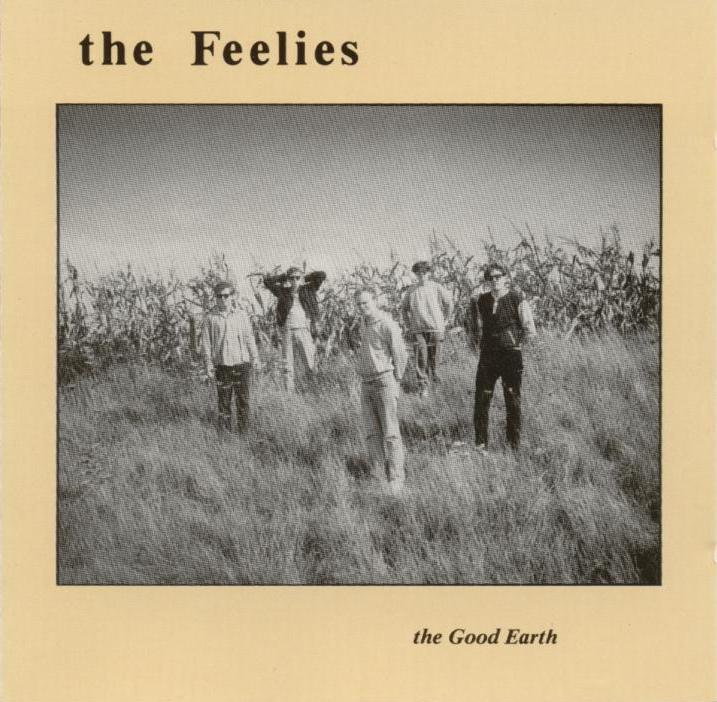
 View Artist