Song Meaning
The lyrics paint a picture of a transactional offer of intimacy that arrives too quickly, met with a firm but weary refusal. The narrator recognizes this pattern, noting the stark contrast between their own perception of a situation as "hopeless" and the other person's view of it as "won." This immediate disconnect signals that the proposed connection is fundamentally misaligned with the narrator's values and upbringing, which dictate a different standard for relationships.
The central tension lies in the clash of expectations and definitions of connection. The narrator is presented with an "offer" that feels premature and devoid of genuine feeling, explicitly labeled as "loveless love." This isn't about romance or shared understanding; it's a proposition that the narrator finds "cool" while they "think it stinks," highlighting a profound lack of mutual consideration. The repeated phrase "loveless love" underscores the core issue: the other person's desire lacks the emotional substance the narrator requires.
The most striking aspect of the writing is the stark juxtaposition of perspectives and the blunt, almost resigned tone. Phrases like "You don't want to know me" and "You don't care what I think" reveal a one-sided dynamic where the narrator's feelings are disregarded. The narrator's insistence on a "different standard" and the concluding plea, "Try to understand / That's not the way to be," suggests a quiet but firm assertion of personal boundaries against what feels like an inappropriate or superficial advance.
Ultimately, these lyrics resonate because they articulate a common experience of navigating unwanted advances and mismatched intentions with a sense of principled rejection. The effectiveness comes from the clear, unadorned language that cuts straight to the emotional core of the situation, emphasizing dignity and self-respect over fleeting or unreciprocated desires. The narrator's refusal isn't just a "no," but a statement about their own moral and emotional framework.
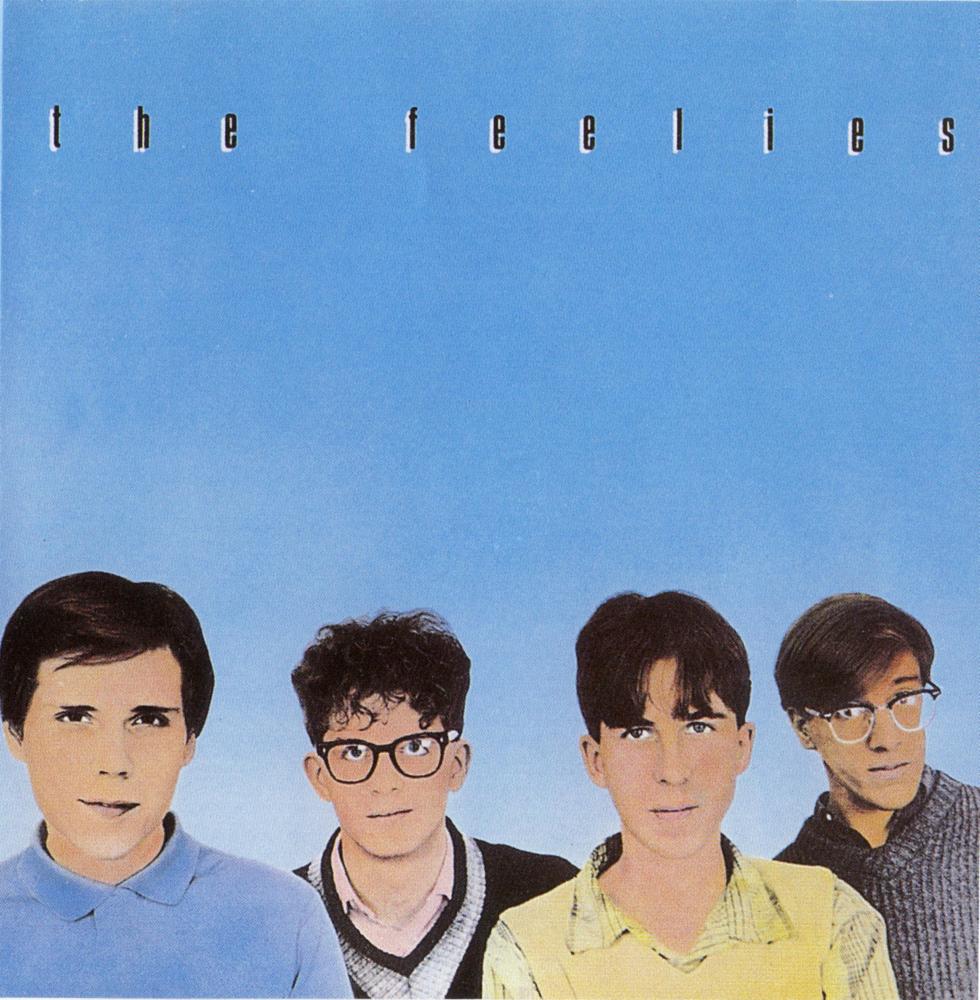
 View Artist