Song Meaning
The lyrics paint a picture of profound inertia and a disorienting lack of direction. The opening lines, "Ain't nothing going on / Ain't nothing happening at all," establish a palpable sense of stasis, a void where action should be. This emptiness is mirrored in the inability to "find anything," suggesting a search for purpose or meaning that yields no results. The narrator is caught in a state of suspended animation, "waiting, ready to go," yet utterly uncertain about their desires: "What I want, hey, I don't know."
The core tension arises from the contrast between this internal paralysis and the external perception of things being "out of control" and "upside-down." The narrator acknowledges a "restless world" but finds "no rest" within it, amplifying the feeling of being adrift. Despite this chaos, a repeated refrain emerges: "It's alright." This phrase, initially seeming like an acceptance, takes on a more complex, almost defiant tone as the song progresses. It becomes a mantra against the backdrop of confusion and immobility.
The most striking aspect is the lyrical shift in the hook, moving from "my life" to "your life" and back again. This subtle change suggests a projection or perhaps a realization that the state of being lost and accepting it as "alright" isn't unique to the narrator. It hints at a shared human condition of navigating uncertainty, where acknowledging the lack of control and finding a way to be "better off that way" becomes a coping mechanism. The repetition of "It's alright" transforms from a simple statement into a complex negotiation with reality.
Ultimately, the effectiveness of these lyrics lies in their raw portrayal of existential drift. The simple, almost conversational language, coupled with the insistent repetition of "Alright," creates a disarming honesty. It captures that specific, unsettling feeling of being simultaneously stuck and trying to convince yourself that everything is fine, even when "everything is upside-down." The ambiguity allows listeners to project their own moments of uncertainty onto the narrative, finding a strange comfort in its unvarnished depiction of being lost.
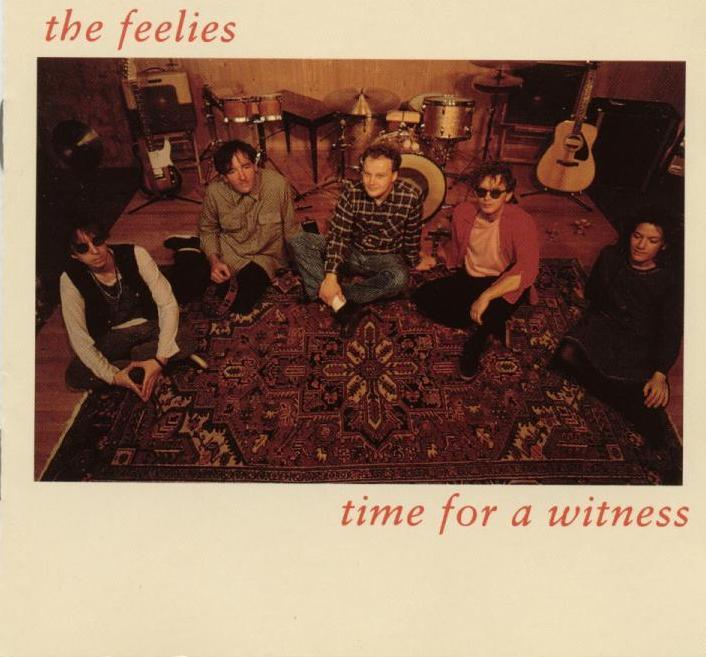
 View Artist