Song Meaning
The lyrics paint a stark picture of isolation and a profound weariness with struggle. The opening lines immediately establish a sense of abandonment, with the narrator questioning where a significant presence was during a period of deep loneliness and cold. This cold isn't just physical; it's an emotional state, a 'freezing cold' that seems to have trapped them. The imagery of 'someone flying only stolen' is abstract but suggests a loss of freedom or a corrupted hope, leaving the narrator unable to even recognize or connect with a fading 'light.'
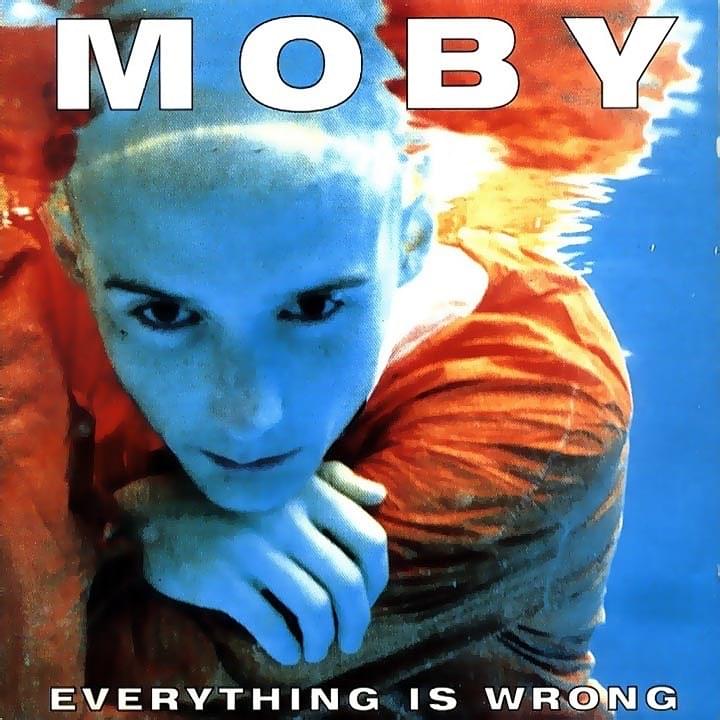
The central tension arises from the overwhelming desire to cease striving against overwhelming forces. The repeated chorus, 'I don't want to swim the ocean / I don't want to fight the tide,' is a powerful expression of exhaustion. These aren't just metaphors for life's challenges; they represent immense, natural, and seemingly endless battles. The narrator explicitly states, 'I don't want to swim forever,' articulating a deep-seated fatigue with the continuous effort required to simply stay afloat or move forward.
The most striking aspect is the stark, almost nihilistic resolution offered in the final line of the chorus: 'When it's cold I'd like to die.' This isn't a passive wish for death, but a specific conditional desire tied to the prevailing emotional climate. It suggests that the cold, the loneliness, and the relentless struggle are so unbearable that the only perceived escape or peace lies in cessation. The plea 'If I holler let me go' further emphasizes a desire for release from an oppressive situation, highlighting the narrator's feeling of being trapped and unheard.
This lyrical construction is effective because it grounds abstract feelings of despair in concrete, albeit metaphorical, struggles. The contrast between the vast, indifferent 'ocean' and 'tide' and the narrator's finite energy creates a palpable sense of being overwhelmed. The direct, unadorned statement of wanting to die when 'cold' hits home, making the emotional weight of the lyrics incredibly heavy and resonant without resorting to complex poetic devices. It’s the raw, unvarnished expression of wanting an end to suffering that makes the song’s impact so potent.