Song Meaning
The lyrics paint a stark picture of a relentless, almost Sisyphean struggle, framed by a world that seems both dazzling and deeply flawed. The opening lines immediately establish a sense of performative excess and public scrutiny, where even consumption is a spectacle. The "disgraceful sky flecked with a nightmare of stars" sets a tone of cosmic unease, suggesting that even beauty is tainted by a sense of impending doom or moral decay. This isn't just about a bad night; it's about a pervasive atmosphere of unease that everyone seems to be aware of, a collective "synching" or perhaps a desperate "sinking."
The core tension lies in the imperative to "grind it out" against a backdrop of fading connections and overwhelming time. The "long distance century" evokes a sense of temporal displacement and isolation, where moments blur into an unending, almost automatic cycle. The narrator questions the persistence of this struggle, wondering why resignation hasn't set in, yet the lyrics offer no escape, only the repeated, forceful command to keep pushing forward. This push is presented as a binding force, the only thing "holding us together" in the face of this existential pressure.
The imagery of "line up the arrows, push off the top" and the subsequent unstoppable momentum suggests a process that, once initiated, cannot be halted. It's a self-perpetuating cycle, perhaps representing ambition, addiction, or simply the passage of time itself. The "bedazzled surgeon chases the gash" is a particularly striking image, hinting at a desperate attempt to fix something broken, but the narrator dismisses it, stating, "we don't need that operation." This suggests a rejection of conventional solutions or perhaps an acceptance that the "gash" is an intrinsic part of the process, not something to be healed but endured.
Ultimately, the effectiveness of these lyrics stems from their unflinching portrayal of a difficult reality and the insistent, almost primal call to action. The repetition of "grind, grind it out" becomes a mantra, a desperate affirmation in the face of a chaotic and indifferent universe. The final lines, with the narrator hoping "the deaf can lead the blind" and wanting to be lifted into "whirling blades," underscore a profound sense of disillusionment but also a grim determination to participate in the struggle, even if its purpose or direction is unclear.
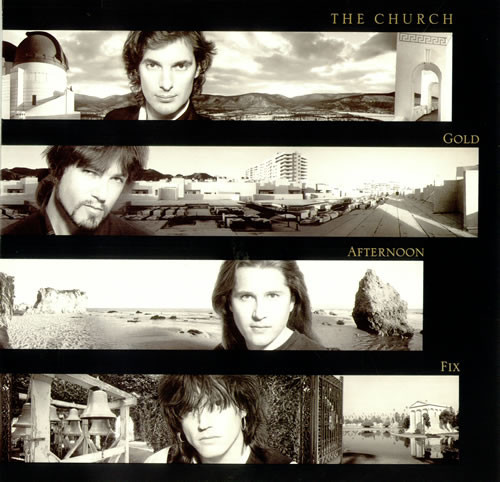
 View Artist