Song Meaning
The lyrics paint a picture of a once-great civilization, a "forgotten reign" now lost to time. The narrator seems to wander through its ruins, a solitary observer of a faded glory. There's a sense of profound loss and mystery, as if the very essence of this "ancient central nation" has been "taken under the hand," leaving only echoes and whispers of its former existence.
The central tension appears to be the struggle between memory and oblivion, between the vibrant past and the decaying present. The "secrets of the past come floating from their caves," a powerful image suggesting that buried histories are resurfacing, yet they call "like a siren," hinting at a dangerous or alluring allure. This past is not static; it "lived again" in a "great great river" that flowed away, a metaphor for renewal and perhaps a cyclical nature of existence, but it leaves behind "lust he cannot fight" and "evolution in decay."
The craft here is in the evocative, fragmented imagery. Phrases like "priests with hair and eyes so clear" and "lions and caravans" conjure specific, if brief, visions of this lost world. The idea of a "language lost along the line" is particularly striking, suggesting a fundamental breakdown in communication and understanding across time. The narrator's own position is ambiguous, an accuser "testing" and a witness to "fifteen years" of this lingering presence.
Ultimately, these lyrics resonate because they tap into a universal feeling of confronting the remnants of something grand that has passed. The fragmented narrative and the haunting, almost mythical imagery create a sense of awe and melancholy. It's the feeling of standing in a place where immense stories unfolded, but the ability to fully grasp them has been eroded by time, leaving only the profound weight of what once was.
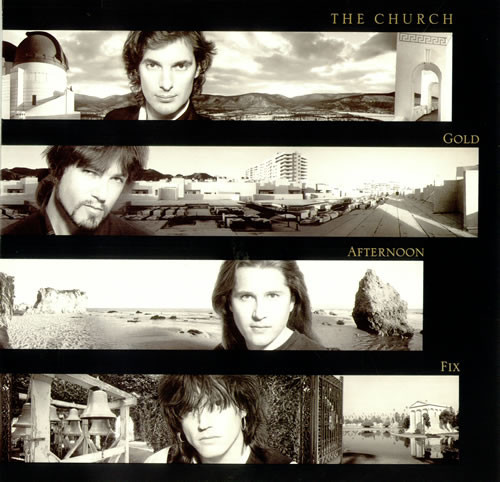
 View Artist