Song Meaning
The narrator grapples with a profound sense of responsibility, framed by a spiritual or existential crisis. The opening lines, "Offer nothing to believers / But words," immediately establish a conflict between faith and tangible action, suggesting a feeling of inadequacy or doubt. This doubt is amplified by the parenthetical asides, which seem to question the source of these words – are they divine inspiration or malevolent influence? The repeated phrase "Oh me of little faith" underscores this internal struggle, highlighting a perceived lack of conviction or spiritual strength.
The core tension emerges in the relentless repetition of "The burden is upon my shoulders." This isn't just a casual acknowledgment of responsibility; it's an overwhelming weight that dominates the song's emotional landscape. The narrator feels compelled to act, to lead, even if the source of their direction is unclear. The imagery shifts in the second verse, where the narrator claims the role of a shepherd, but immediately qualifies it with "I'm merely the man with schematics." This suggests a detachment, a feeling of being a conduit for a plan rather than its originator, further complicating their sense of agency and the nature of the burden they carry.
The most striking aspect of the craft is the juxtaposition of spiritual language with mechanical or architectural terms. The narrator is both a potential divine or demonic messenger and a builder with "schematics." This tension between the sacred and the practical, the fated and the constructed, creates a unique sense of unease. The bridge's stark repetition of "Sacrificed by hands" adds a layer of vulnerability and potential betrayal, hinting that this burden and the actions taken might come at a personal cost, possibly inflicted by others.
Ultimately, the lyrics resonate because they capture the isolating experience of carrying a heavy, ill-defined responsibility. The narrator’s internal monologue, punctuated by the overwhelming chorus, paints a picture of someone wrestling with purpose and the potential consequences of their actions. The ambiguity of the burden's origin and the narrator's role – are they a chosen leader, a pawn, or simply a craftsman following instructions? – makes the weight they carry feel both immense and deeply personal, a feeling many can connect with even without fully understanding the specific context.
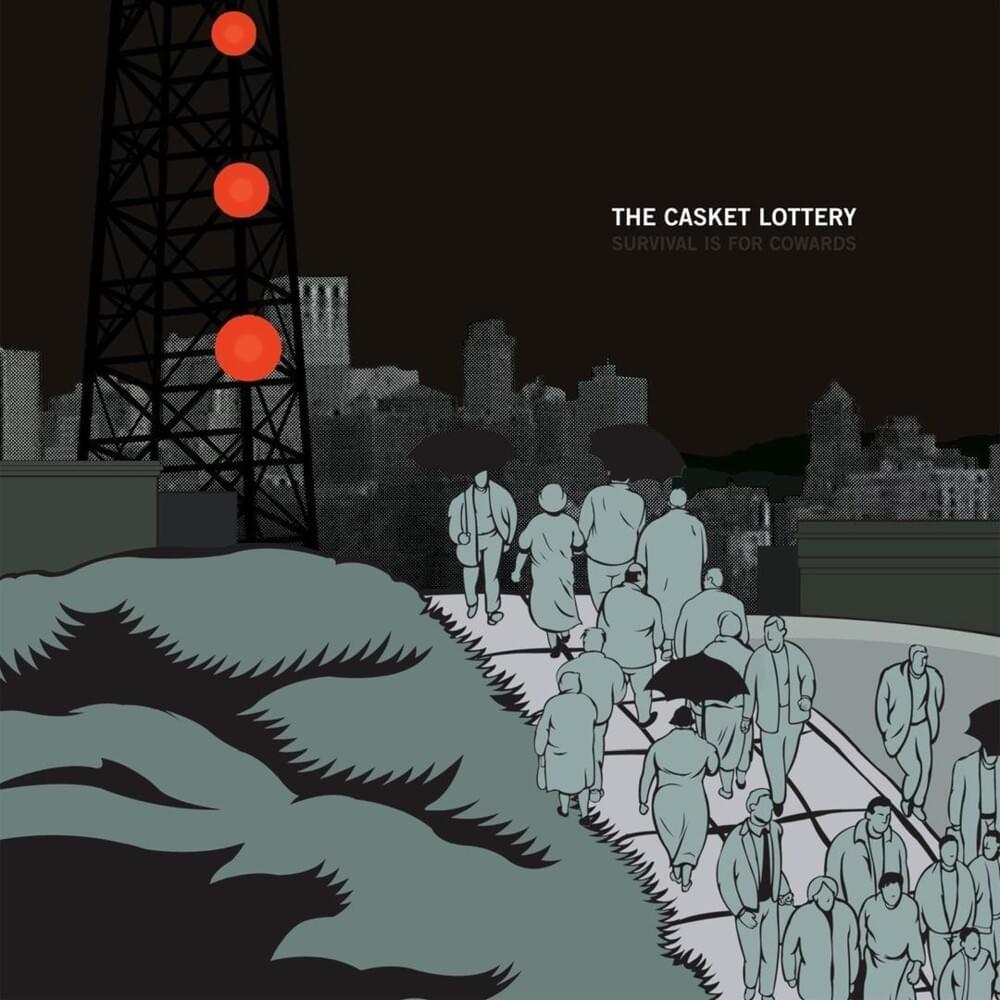
 View Artist