Song Meaning
The lyrics paint a stark picture of someone alienated and struggling, their home a place of 'pain' where 'dust sleeps' with them. There's a palpable sense of being unseen and misunderstood, with the narrator acknowledging the perception of them being 'crazy' and 'lost,' a state they confirm with a chilling 'yes I can.' This immediate sense of isolation sets a heavy, desperate tone.
The core tension arises from the narrator's plea for recognition and connection, directly addressing someone who has 'left' and 'ran away.' They assert a shared identity – "I'm your brother, I'm your friend" – highlighting a profound betrayal or abandonment. Yet, the other person continues to 'walk on by,' reinforcing the narrator's perceived madness and lost state, a cycle of rejection that fuels their despair.
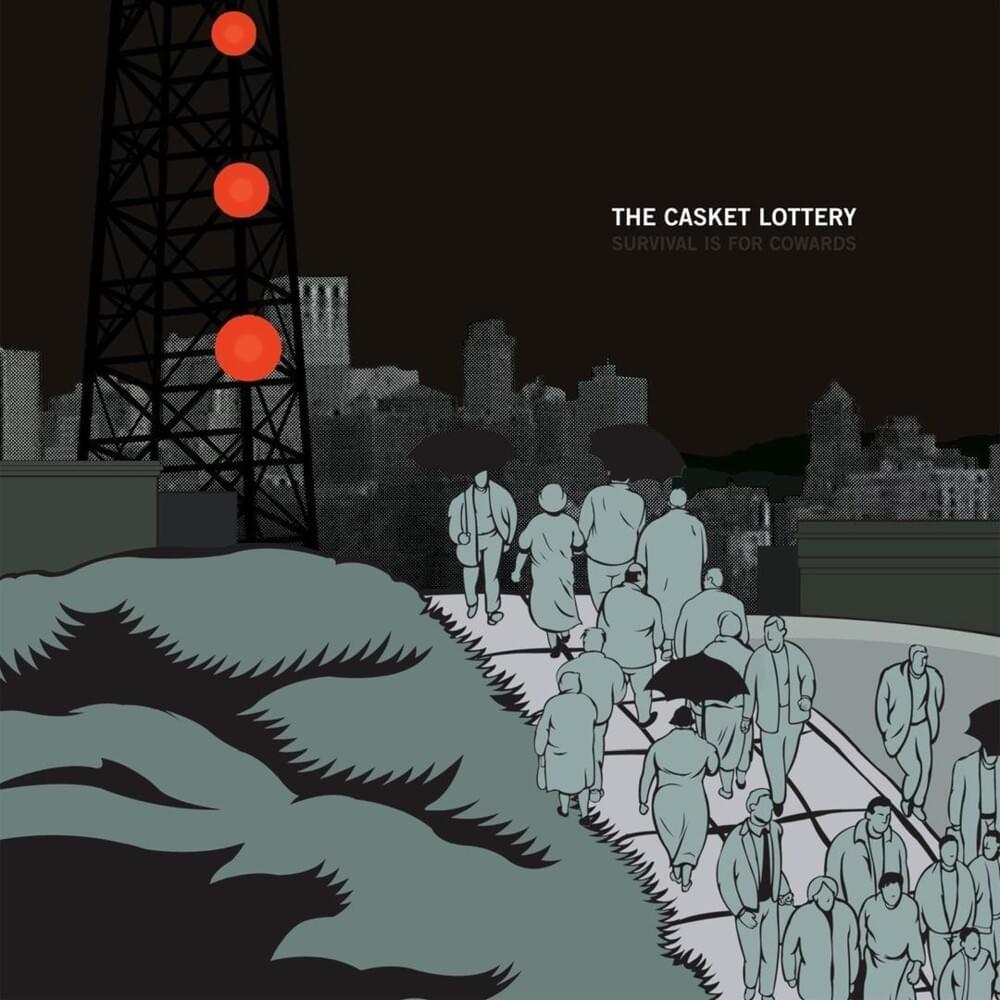
The most striking shift occurs in the third verse. The narrator, after the repeated "Hold on," pivots dramatically with "Let go." They reject the idea of mere survival, calling it for 'cowards.' Instead, they claim to 'live by my terms' and assert they are 'fine,' a defiant stance against the perceived judgment and the harsh reality of 'barely getting by.' This is a powerful redefinition of their own state, moving from a desperate plea to a declaration of self-possession.
This lyrical arc is effective because it moves from raw vulnerability and accusation to a hard-won, albeit potentially fragile, sense of internal peace. The contrast between the initial desperate "Hold on" and the repeated, almost mantra-like "Let go" in the outro creates a profound emotional release. It suggests that true freedom, for the narrator, comes not from external validation or rescue, but from an internal decision to detach and define their own worth, regardless of how others perceive them.
 View Artist