Song Meaning
This is a wistful invitation to revisit the past, a simple call to action that conjures a specific kind of nostalgia. The narrator suggests lacing up worn footwear as a literal and metaphorical step back into familiar territory. It's about seeking out the comfort of old friends and shared memories, a desire to reconnect with a time when things felt simpler, or at least more known. The immediate image is one of casual movement, a gentle push towards a shared experience.
The core tension lies in the contrast between present circumstances and the enduring appeal of the past. While the narrator acknowledges proximity to someone named Peggy, the pull is towards Maggie and Joe, suggesting a preference for established, perhaps more cherished, connections. The line "We don't care whether we're broke or in the dough" highlights a detachment from material concerns when immersed in these memories, emphasizing the emotional richness of the past over present financial realities. It's a deliberate choice to seek out the intangible.
The most striking element is the recurring motif of the "old pair of shoes." These aren't just footwear; they represent a history, a worn-in comfort, and a readiness for a familiar journey. The act of "mend[ing] the broken laces" is a poignant detail, suggesting that even these cherished memories or the means to access them require some gentle repair. It implies that the past isn't perfectly preserved but is something that can be tended to, made functional again for a short walk.
Ultimately, the lyrics resonate because they tap into a universal longing for uncomplicated connection and the comfort of shared history. The gentle, almost passive invitation to "go walking" and "call on" friends, coupled with the imagery of familiar places and mended shoes, creates a powerful sense of yearning. It's the quiet acknowledgment that sometimes, the best way to navigate the present is by finding solace in the well-worn paths of the past.
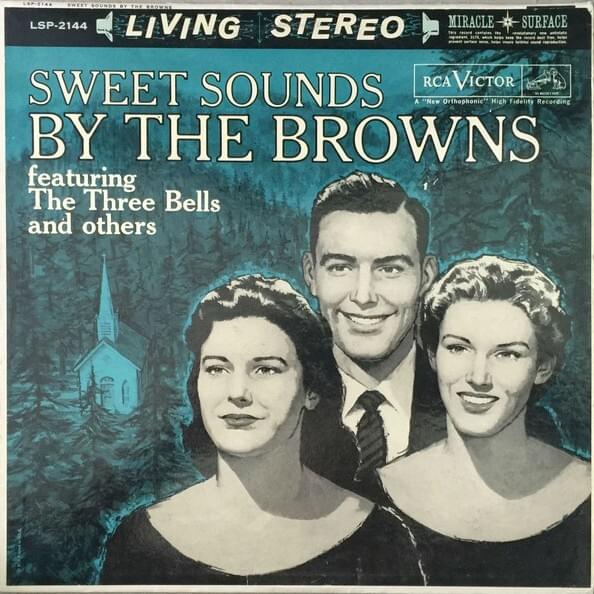
 View Artist