Song Meaning
The lyrics paint a stark picture of betrayal and dawning realization. The narrator begins by posing a series of rhetorical questions, each met with a dismissive "Oh, no." These initial queries about a partner's behavior when alone or out suggest a growing unease, a suspicion that something is amiss. The repeated "Oh, no" acts like a drumbeat of dread, underscoring the narrator's mounting anxiety that their "darling" might be leaving.
The central conflict explodes in the second verse with the introduction of "Joe." The narrator confronts the listener, or perhaps themselves, with the undeniable truth: their partner loves Joe and is leaving with him. The contrast between the earlier, more subtle questioning and the blunt revelation creates a powerful emotional whiplash. The line "Everything was still all right / When I left her late last night" highlights the shock of this sudden departure, emphasizing how blindsided the narrator truly is.
The most striking element is the relentless repetition of "Oh, no." It transforms from a simple negation into a visceral expression of disbelief, despair, and helplessness. By the final verse, the narrator is begging, "Won't you ever forget?" but the only response is the echoing, resigned "oh, no." This repetition hammers home the finality of the situation and the narrator's inability to undo what has happened.
This song hits hard because it captures that gut-wrenching moment when denial crumbles into painful acceptance. The simple, almost childlike repetition of "Oh, no" belies the profound devastation of betrayal. It’s the sound of a world collapsing, a stark reminder that sometimes, the worst news is delivered with a shrug and a sigh, leaving the listener to grapple with the raw, exposed emotion.
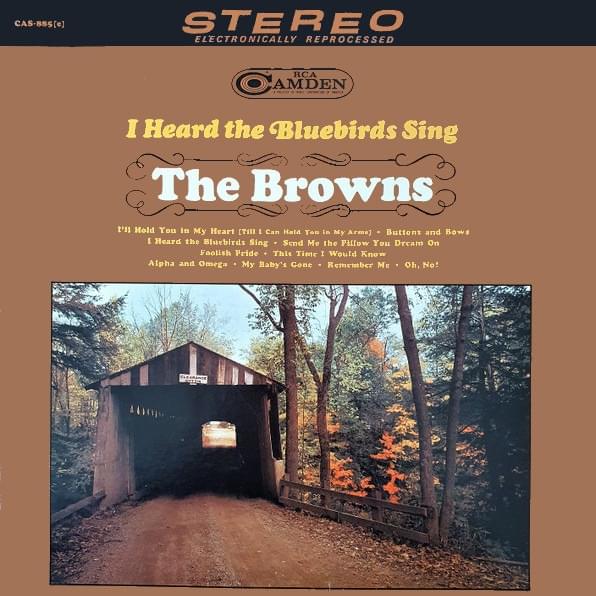
 View Artist