Song Meaning
The lyrics paint a stark, desolate picture of a place called "the pines," a location where perpetual darkness and biting cold reign. The opening lines immediately establish a mood of unease and isolation, suggesting a landscape that offers no warmth or solace. This setting feels less like a physical place and more like an internal state of being, a frozen emotional wilderness.
The central tension arises from a profound sense of regret and guilt directed at a "little girl." The narrator questions their own actions, lamenting the distress they've caused and the subsequent forced departure from home. This displacement is directly linked to the girl's suffering, creating a painful cycle of cause and effect that haunts the narrator.
The imagery of the "longest train" is particularly striking, emphasizing the immense passage of time and the narrator's prolonged suffering or journey. The contrast between the engine's arrival and the caboose's departure, separated by a full hour, vividly illustrates an endless, agonizing wait or an overwhelming sense of being stuck. This extended delay amplifies the feeling of despair.
Ultimately, the lyrics resonate through their raw expression of sorrow and displacement. The recurring refrain of "in the pines" acts as a constant reminder of this inescapable, bleak environment, both external and internal. The narrator's lament, "Oh me, oh my / What makes me weep so," captures a deep, almost bewildered anguish that stems from a past transgression and its enduring, isolating consequences.
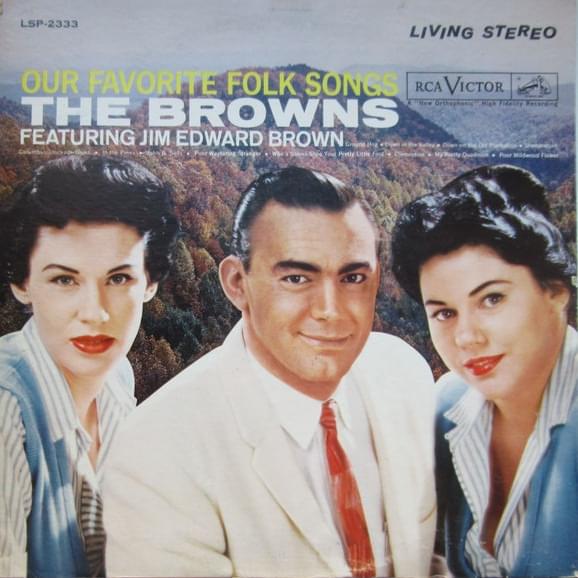
 View Artist