Song Meaning
The lyrics paint a disquieting picture of internal turmoil masquerading as normalcy. The opening verse suggests a deceptive physical sensation, a "drumming" that "deceives you" and makes the "blood in your veins" pound like a "tattoo." This isn't a healthy pulse, but something that ultimately "brings you to rags," hinting at a destructive force at play beneath the surface. The dominant emotional texture is one of unease, a feeling that something is fundamentally wrong even when outwardly things might seem fine.
The central tension appears to be the conflict between a forced outward presentation and an inner state of distress, encapsulated by the repeated phrase "Guilt parade." This "parade" isn't a celebration but a procession of something negative, something the narrator is compelled to march in. The "happy monotony" of the second verse is particularly striking; it's not genuine happiness but a dull, oppressive routine that "drags like a nail." This monotony "ladders" the narrator's "mealy mouth" into "splintering smiles," a powerful image of forced pleasantries that are painful and fractured.
The most compelling craft element is the juxtaposition of the stark, almost violent imagery with the seemingly cheerful, almost nonsensical "Hello, la-la-la" refrain. This contrast creates a profound sense of cognitive dissonance. The repeated "Wave and say hello" in the bridge, sung over the "la-la-la"s, feels like a desperate, hollow attempt to connect or to perform social niceties while drowning in internal guilt. The "Guilt parade" itself, repeated relentlessly in the outro, becomes an inescapable, almost hypnotic force, underscored by the fading, cheerful-yet-empty vocalizations.
Ultimately, these lyrics resonate because they capture the exhausting performance of maintaining composure when one is deeply troubled. The writing effectively uses sharp, unsettling imagery like "splintering smiles" and the deceptive "drumming" to convey a sense of internal decay. The relentless repetition of the "Guilt parade" and the "la-la-la"s creates a feeling of being trapped in a cycle, making the listener feel the weight of this performative suffering.
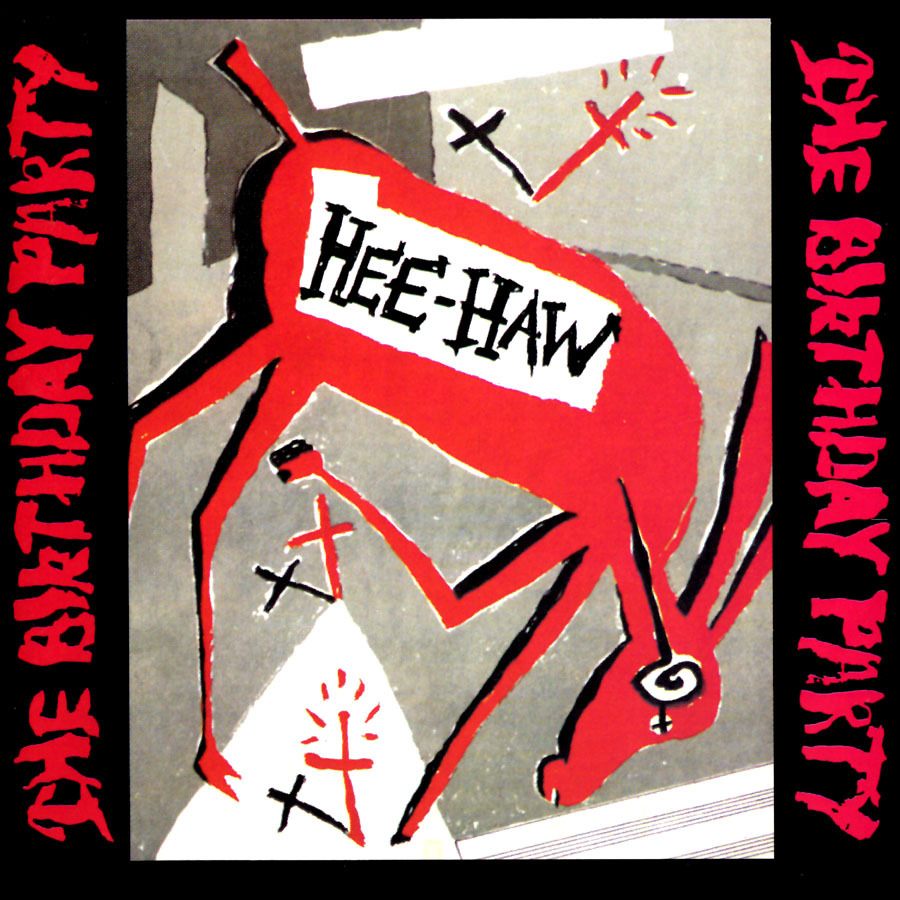
 View Artist