Introduction & Current Status
The Birthday Party, the chaotic and influential Australian post-punk band, may have imploded decades ago, but their impact still reverberates through modern music. Nick Cave's distinctive vocals and the band's ferocious energy continue to inspire generations of artists. While they're not actively touring or recording, their legacy remains very much alive.
Their music finds new fans constantly, thanks to streaming platforms and their continued influence on contemporary bands. The Birthday Party's raw, confrontational sound, a blend of punk, blues, and gothic elements, set them apart and solidified their place in music history. They remain a touchstone for anyone looking for music that's dark, challenging, and utterly unforgettable.
Early Life & Background
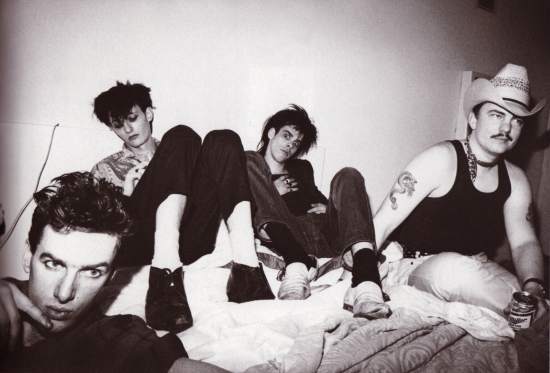
The story begins in Melbourne, Australia, where Nick Cave, Mick Harvey, and Phill Calvert formed The Boys Next Door in the mid-1970s. This early incarnation laid the groundwork for what would become The Birthday Party. The initial lineup was rounded out by guitarist Rowland S. Howard and bassist Tracy Pew.
Growing up in Australia, the members were exposed to a diverse range of influences, from blues and rock and roll to literature and film. Cave's fascination with dark and transgressive themes, later a hallmark of his work, was already evident. These influences would later coalesce into the band's unique sonic and lyrical landscape.
Career Beginnings
Initially known as The Boys Next Door, the band built a local following in Melbourne's punk scene. They honed their sound and stage presence, becoming known for their intense and unpredictable performances. The band's early gigs were notorious for their raw energy and confrontational attitude.
The band's name change to The Birthday Party in 1980 signaled a shift in direction and ambition. Shortly after, they relocated to London, immersing themselves in the vibrant post-punk scene. This move proved pivotal, exposing them to new audiences and creative opportunities. The band quickly gained notoriety for their intense live shows and unique sound.
Major Albums & Discography
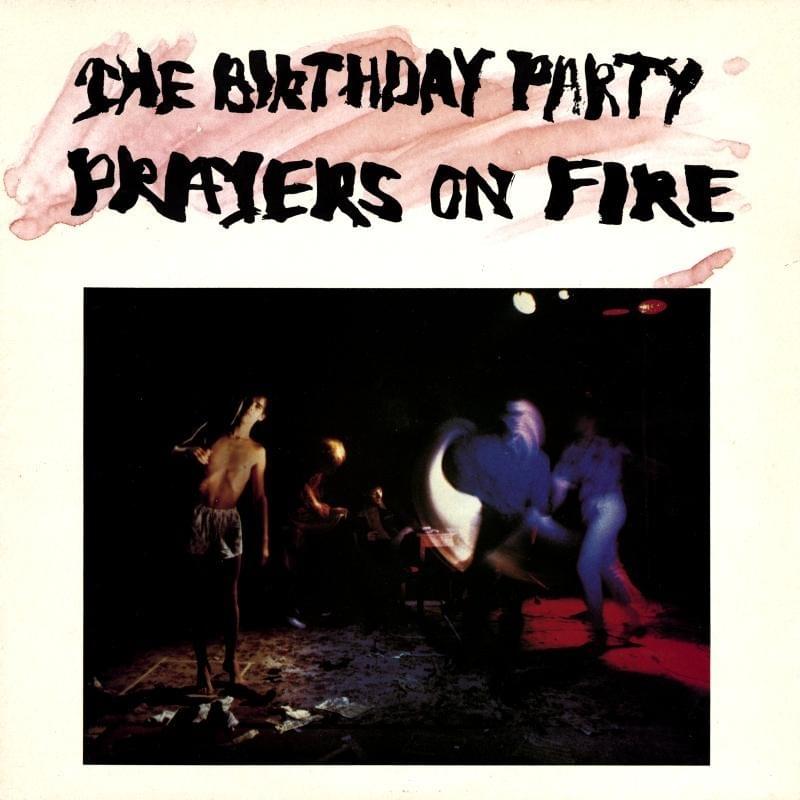
The Birthday Party's discography, though relatively small, is packed with influential and challenging albums. *Prayers on Fire* (1981) is often considered a breakthrough, showcasing their signature blend of punk, blues, and gothic elements. The album's raw energy and confrontational lyrics established the band as a force to be reckoned with.
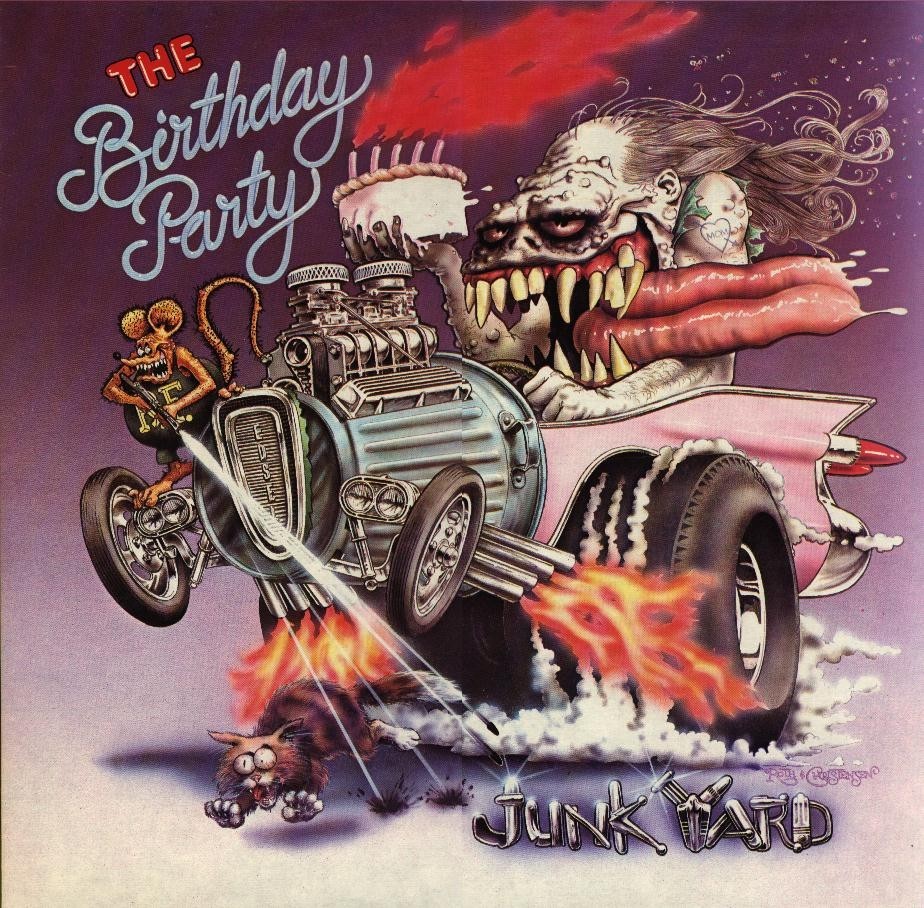
*Junkyard* (1982) further cemented their reputation for pushing boundaries. The album is darker and more experimental, exploring themes of violence, religion, and decay. It's a challenging listen, but one that rewards repeated spins.
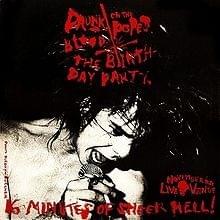
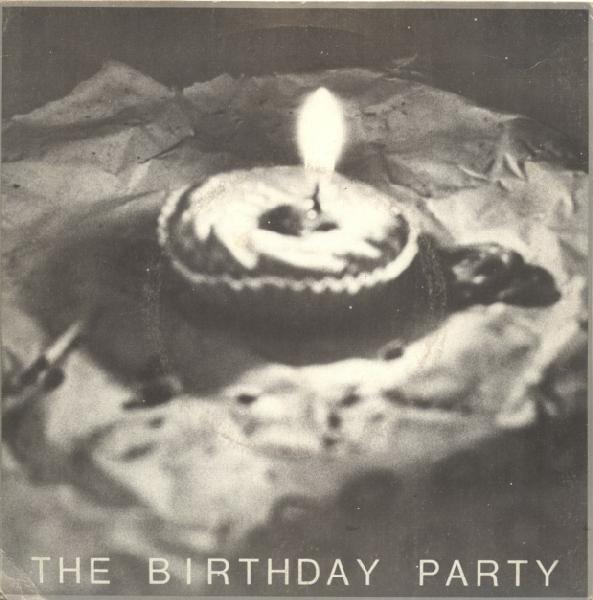
Their EPs, like *The Birthday Party* (1980) and *Drunk on the Pope's Blood / The Agony Is the Ecstasy* (1982), are also essential listening. These shorter releases capture the band's energy and experimentation, offering a glimpse into their creative process.
Hit Songs & Signature Tracks
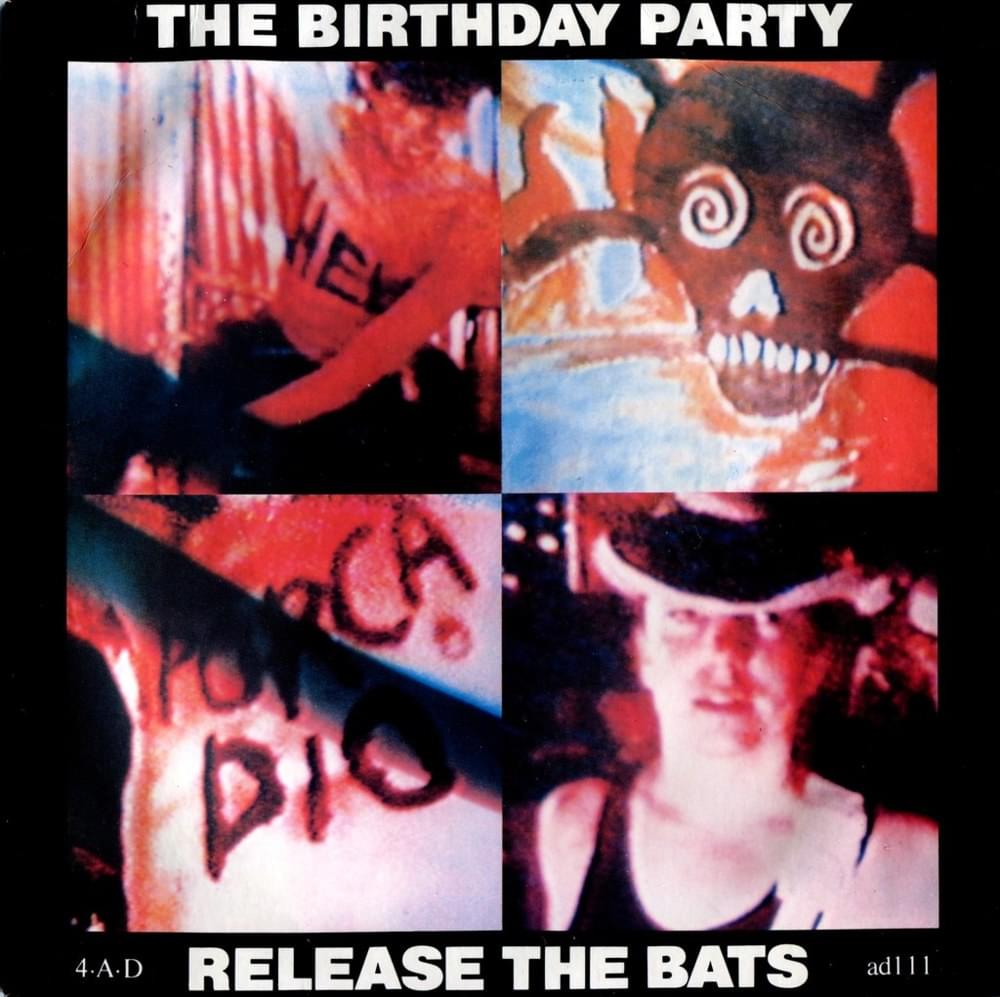
While The Birthday Party wasn't exactly a singles band, certain tracks have become iconic representations of their sound. "Release the Bats" is perhaps their most well-known song, a frenetic and chaotic anthem that perfectly captures their energy. It's a staple of post-punk playlists and a must-hear for anyone interested in the band.
"Nick the Stripper" is another signature track, showcasing Cave's distinctive vocals and the band's dark humor. The song's narrative is unsettling and darkly funny, a hallmark of their lyrical style. The song is as disturbing as it is compelling, showcasing their unique brand of storytelling.
"Hamlet (Pow Pow Pow)" offers a glimpse into the band's more experimental side, blending punk energy with literary references. The song's lyrics draw from Shakespeare, adding a layer of intellectual depth to their raw sound. The combination is both surprising and effective, showcasing their willingness to take risks.
Collaborations & Features
While The Birthday Party primarily operated as a self-contained unit, its members engaged in collaborations both during and after the band's existence. Nick Cave's later work with The Bad Seeds is, in many ways, a continuation of the themes and sonic explorations begun with The Birthday Party. Rowland S. Howard also collaborated with various artists, showcasing his unique guitar style.
The band's influence can be heard in the work of many artists who followed. Their raw energy and confrontational style inspired countless bands in the post-punk and alternative scenes. Their impact continues to be felt in contemporary music, as new generations discover their work.
Awards & Achievements
While The Birthday Party didn't achieve mainstream commercial success or win major awards during their brief existence, their influence on music is undeniable. They are considered pioneers of the post-punk genre, and their music continues to inspire artists and fans alike.
Their albums are consistently ranked among the best post-punk releases of all time. Their live shows are legendary, remembered for their intensity and unpredictability. The band's legacy is one of artistic integrity and uncompromising vision.
Personal Life
The members of The Birthday Party were known for their intense personalities and artistic dedication. Nick Cave's personal life has been well-documented, including his struggles with addiction and his later sobriety. The band's internal dynamics were often volatile, contributing to their eventual breakup.
Following The Birthday Party's demise, Nick Cave went on to form Nick Cave and the Bad Seeds, achieving greater commercial success and critical acclaim. Rowland S. Howard continued to pursue his own musical projects, becoming a respected figure in the alternative scene.
Musical Style & Influence
The Birthday Party's musical style is a unique blend of punk, blues, gothic rock, and experimental noise. Their sound is characterized by Nick Cave's distinctive vocals, Rowland S. Howard's abrasive guitar work, and the band's overall sense of chaos and intensity. They drew inspiration from artists like The Stooges, Captain Beefheart, and blues legends.
The Birthday Party's influence can be heard in the work of many artists who followed, including PJ Harvey, The Jesus Lizard, and countless others. Their raw energy and confrontational style inspired countless bands in the post-punk and alternative scenes. The band's impact continues to be felt in contemporary music, as new generations discover their work.
Recent Work & What's Next
Although The Birthday Party disbanded in 1983, their music continues to be discovered and celebrated by new generations of fans. Nick Cave continues to record and perform with The Bad Seeds, exploring similar themes and sonic landscapes. The Birthday Party's legacy lives on through their recordings and their enduring influence on music.
 Release The Bats
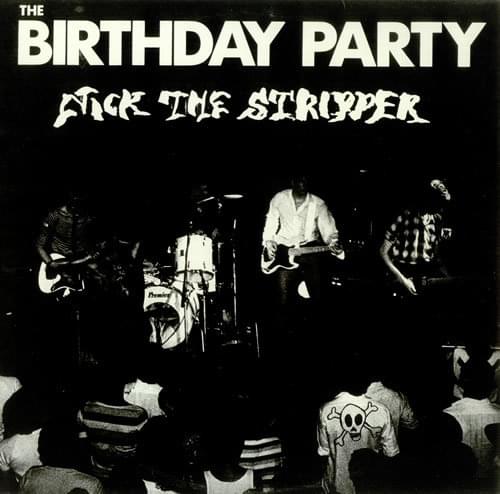 Nick the Stripper
 Happy Birthday
 Mutiny In Heaven
 Mr Clarinet
 King Ink
 The Friend Catcher