Song Meaning
The lyrics frame the "opening of a new book" as a moment of profound, almost overwhelming transition. It's not just a simple start, but a "singular wave crashing," suggesting an event of immense force and potential. This initial image sets a tone of awe and perhaps a touch of trepidation, hinting that this new beginning carries significant weight and unpredictability. The repeated phrase acts as a mantra, grounding the listener in the central metaphor while simultaneously amplifying the sense of momentous change.
The core tension lies in the unknown nature of this new beginning and the narrator's struggle to navigate it. The book opens to a "train from nowhere to somewhere," a journey without a clear origin or destination, highlighting a feeling of being adrift. The jarring question, "Are you Elephant Man or George Michael?" throws disparate identities into the mix, suggesting a crisis of self or a bewildering array of possible selves one might inhabit. This uncertainty is amplified by the escalating sequence of consumption: "a sip, a swig, a gulp, a mouthful, a session, a bender, a life," which links the opening of the book to a potentially uncontrolled descent into excess or a life-altering experience.
The most striking aspect of the craft is the interrogation of control and agency, particularly around the metaphor of "brakes." The narrator asks, "Does this personality have any brakes?" and then questions who is responsible for their maintenance: "Does anyone know who oils the brakes?" This extends to a desperate plea for repair, "Can anyone repair me?" The repetition of "Can you whisky? Can you gin?" paired with "Can you speed without brakes?" blurs the line between self-destructive coping mechanisms and the very act of moving forward. The final questions, "Are you cancelled? Are you taken?" and "Are you taken in?" reveal a deep-seated fear of losing oneself entirely, of being consumed or erased by this new, uncontrolled trajectory.
These lyrics resonate because they capture the anxiety of uncharted territory, not just in life, but in the very act of engaging with something new and potentially transformative. The writing uses the simple act of opening a book to explore profound questions about identity, control, and the fear of losing oneself in the process of change. The escalation from a sip to a life, and the desperate inquiries about brakes and repair, create a visceral sense of a mind grappling with overwhelming momentum and a plea for stability in the face of it.
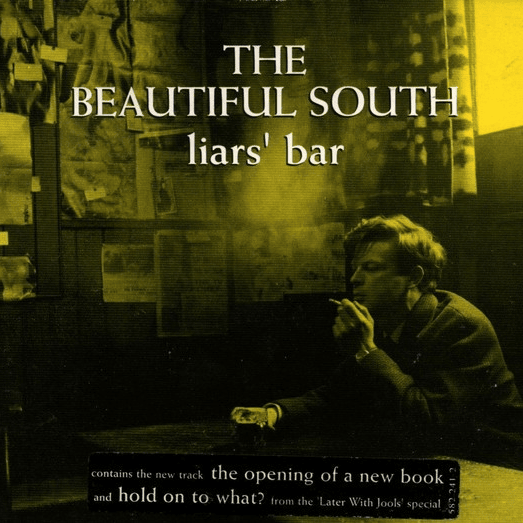
 View Artist