Song Meaning
Terry Reid's "Writing On The Wall" isn't just a song; it's an existential confrontation. The core idea revolves around feeling unseen, unrecorded, and ultimately, irrelevant in the grand scheme of things. The "writing on the wall" represents the accumulated history, experiences, and judgments of those who came before, a palimpsest of human existence. But the narrator finds himself conspicuously absent from this record. He's not part of the story being told. This absence isn't just a matter of historical record; it's a deeply personal and psychological wound. The line "none of it is read up unto to me / I'm the exception" drips with a potent mix of alienation and defiance. It's the outsider looking in, realizing he's been denied even a footnote in the collective narrative.
The repeated assertion that "no one ever gets to write a thing about me" highlights a profound struggle for agency. To be written about is to be acknowledged, to have your existence validated. Reid's narrator is denied even this basic form of recognition. The wall, potentially a metaphor for society, history, or even just personal relationships, holds secrets and stories, but none of them reflect him. This creates a sense of invisibility, as if he's moving through the world without leaving a trace. The question arises: is this imposed upon him, or is it a consequence of his own choices and actions? Is he actively resisting being defined, or is he simply overlooked?
Ultimately, "Writing On The Wall" becomes an anthem for those who feel marginalized and forgotten. It's a raw, honest expression of the desire to be seen, heard, and remembered. The slight note of defiance – "now that I know" – suggests a turning point. Perhaps, by acknowledging his exclusion, the narrator can begin to write his own story, to create his own meaning, even if it's not etched on the established walls of history. The song's power lies in its ability to tap into a universal fear: the fear of being erased, of fading away without leaving a mark.
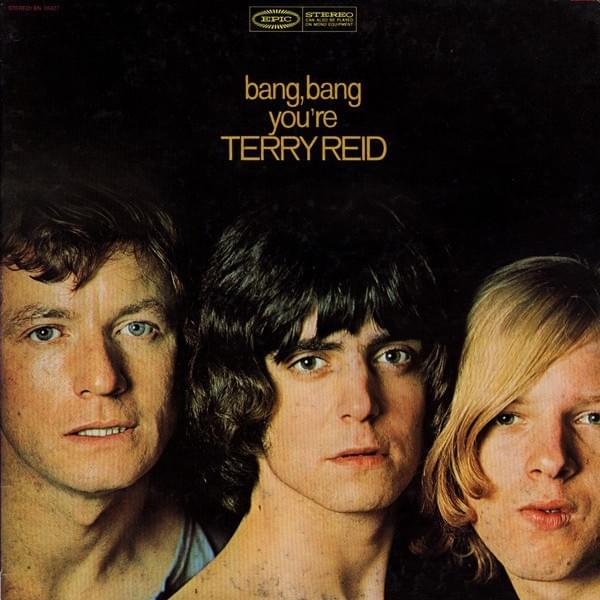
 View Artist