Song Meaning
Terry Reid's "Sweater" is a masterclass in sonic yearning, a wistful exploration of missed opportunities and the elusive nature of connection. The central image of the sweater is more than just clothing; it's a symbol of preparation, of presenting an idealized version of oneself in hopes of altering fate. The repeated line, "If I had met her wearing the sweater, I would feel better than I do today," underscores a deep-seated regret, a belief that a different first impression could have irrevocably changed the course of a relationship. It speaks to the human tendency to replay past encounters, dissecting every detail in search of a better outcome. The sweater becomes a talisman, imbued with the power to rewrite history, if only in the singer's mind.
But "Sweater" isn't solely about regret; it also hints at the intoxicating pull of the unknown. The recurring motif of the sea represents both the allure and the danger of emotional submersion. Phrases like "show you the ways of the sea" and "pulling me under my ears filled with thunder" suggest a willingness to surrender to something larger than oneself, even if it means risking being overwhelmed. This duality – the desire for connection tempered by the fear of losing oneself – lies at the heart of the song's emotional tension. The image of the daughter and the water evokes a sense of innocence and purity, yet also hints at the potential for disruption and chaos.
Ultimately, the song meaning of "Sweater" resides in its ambiguity. Reid doesn't offer easy answers or resolutions. The listener is left to grapple with the singer's longing, his complex relationship with the past, and his ambivalent embrace of the present. The repetition of certain lines, like a mantra, reinforces the cyclical nature of regret and the persistent human need to understand the "what ifs" that haunt our lives. Terry Reid's ability to convey such profound emotional depth with such understated lyrics solidifies "Sweater" as a poignant meditation on the fragile nature of human connection and the enduring power of the choices we make – or fail to make – along the way.
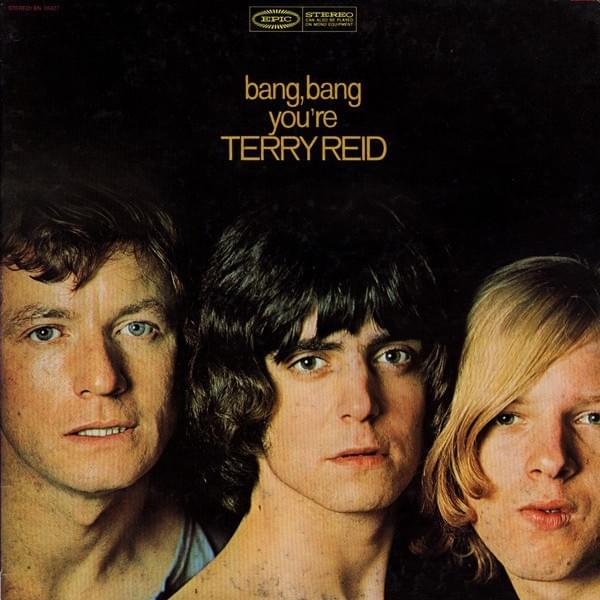
 View Artist