Song Meaning
Terry Reid's "Marking Time" isn't a protest anthem screaming for revolution; it's a far more subtle and psychologically astute observation on inertia. The opening images – sand everywhere, birds aimlessly circling – paint a picture of stagnation. It's the feeling of being mired, not in hardship, but in a kind of comfortable dissatisfaction. The sea, a vast and potentially transformative force, is simply *there*, and the narrator wonders if it holds any personal meaning, or if it's just another unchanging backdrop. The key phrase, "nobody really wants to change it," echoes throughout, revealing the core of the song's meaning. It's not that change is impossible, but that the collective will to pursue it is absent. People "sit around and moan," Reid observes, but are unwilling to look beyond the familiar confines of "home."
There's a compelling tension in the lyrics between the narrator's desire for change and his own complicity in maintaining the status quo. He's "looking here, trying to realize" if compromise is possible, suggesting a struggle with his own agency. The lines, "Call me anything...but darling, just stay cool," hint at a fear of rocking the boat, of disrupting the apathy that surrounds him. He recognizes the potential for transformation ("I'm just keeping hold of the seeds until the day I die") but remains stuck in a state of suspended animation, "marking time" rather than actively shaping his reality. This isn't a song about external forces preventing change, but about the internal barriers – the fear, the inertia, the comfort of the familiar – that keep people from pursuing it.
Ultimately, "Marking Time" is a poignant reflection on the human tendency to accept the unacceptable. The final verses reveal a deeper level of questioning, as the narrator grapples with the fundamental question of whether the struggle for change is "really worth it." The possibility of disguising his true feelings, of conforming to the prevailing apathy, becomes a tempting alternative. Reid isn't offering easy answers or rallying cries; he's presenting a raw, honest portrait of a mind caught between the desire for a better world and the paralyzing weight of collective indifference. The song's power lies in its unsettling recognition of our own potential for complacency.
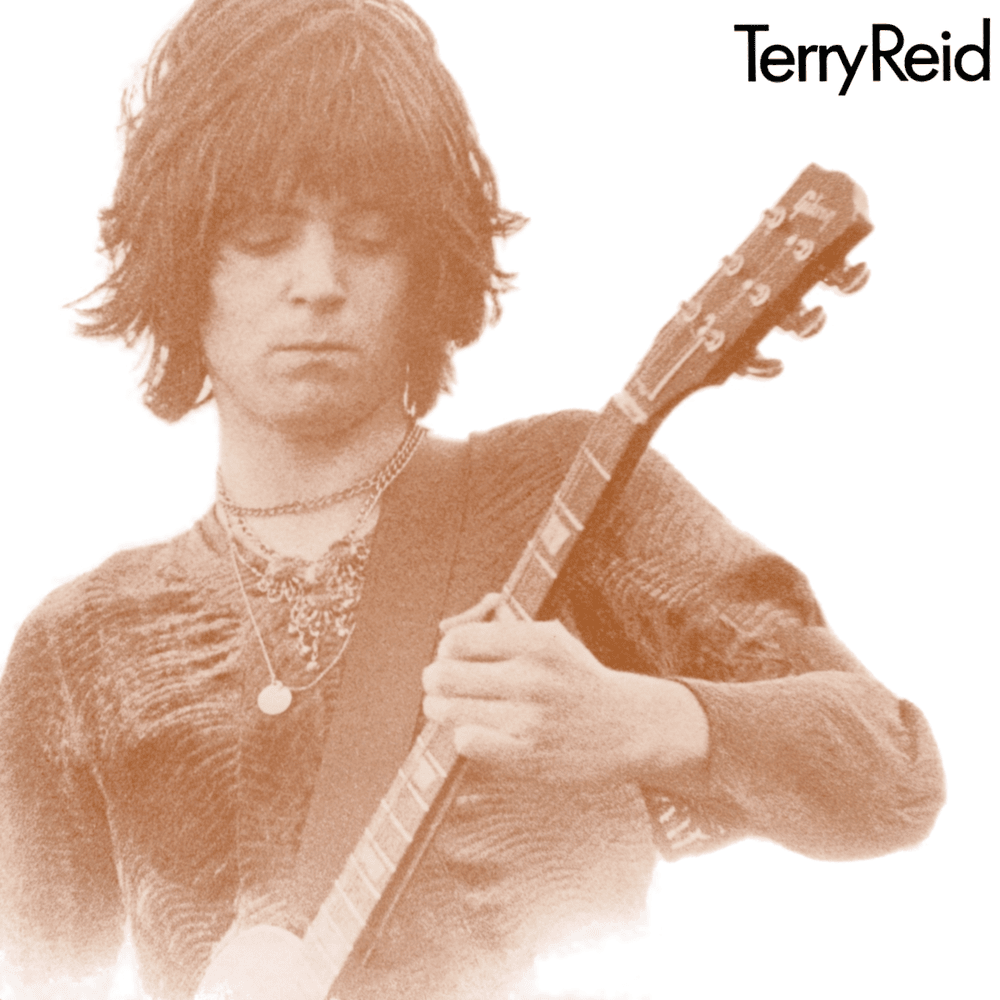
 View Artist