Song Meaning
The narrator grapples with a fractured relationship, questioning their past role and current identity. They directly ask, "If this is what we are / Then what was I supposed to be?" highlighting a profound sense of disorientation and lost purpose. The lyrics paint a picture of a dynamic that has soured, shifting from shared laughter to deliberate mistreatment and self-sabotage.
This isn't a simple breakup song; it's a dissection of relational decay and the narrator's complicity. The repeated transformation from someone who "made you laugh" to someone who "could treat you bad" suggests a cycle of behavior that has damaged the foundation of trust. The narrator observes the other person's smile, noting it's directed at "things that go from good to bad," a chilling detail that implies a detachment or even a perverse enjoyment of the chaos.
The core tension lies in the narrator's conflicting desires: a desperate plea against solitude ("I never want to be alone") juxtaposed with a rejection of the other person's memory ("I never want to hear your name"). This internal conflict is amplified by the rhetorical question about open books and hearts, suggesting a deep-seated fear of vulnerability and betrayal. The phrase "You'd like me better this way" carries a heavy dose of irony, implying the narrator has adopted a persona – the "happy go lucky" facade – that is not authentic but perhaps perceived as more palatable to the other person.
The effectiveness of these lyrics stems from their raw, almost confessional tone and the sharp, incisive questions posed. The narrator doesn't shy away from self-recrimination, admitting to making a "mess / Of everything he could've had." This willingness to confront their own failings, while simultaneously questioning the other's reactions and the very nature of their connection, creates a compelling portrait of relational breakdown and the painful search for self-understanding amidst the wreckage.
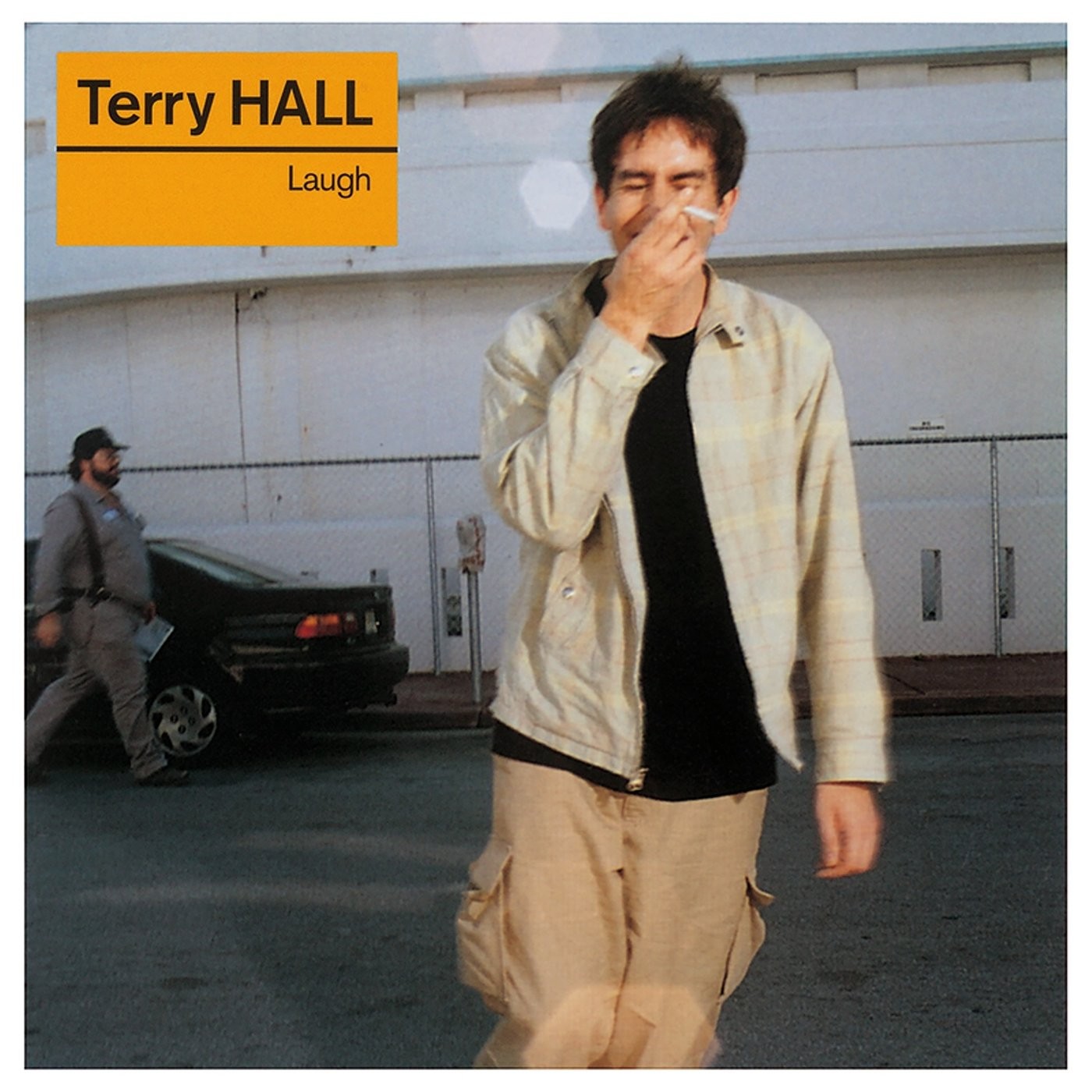
 View Artist