Song Meaning
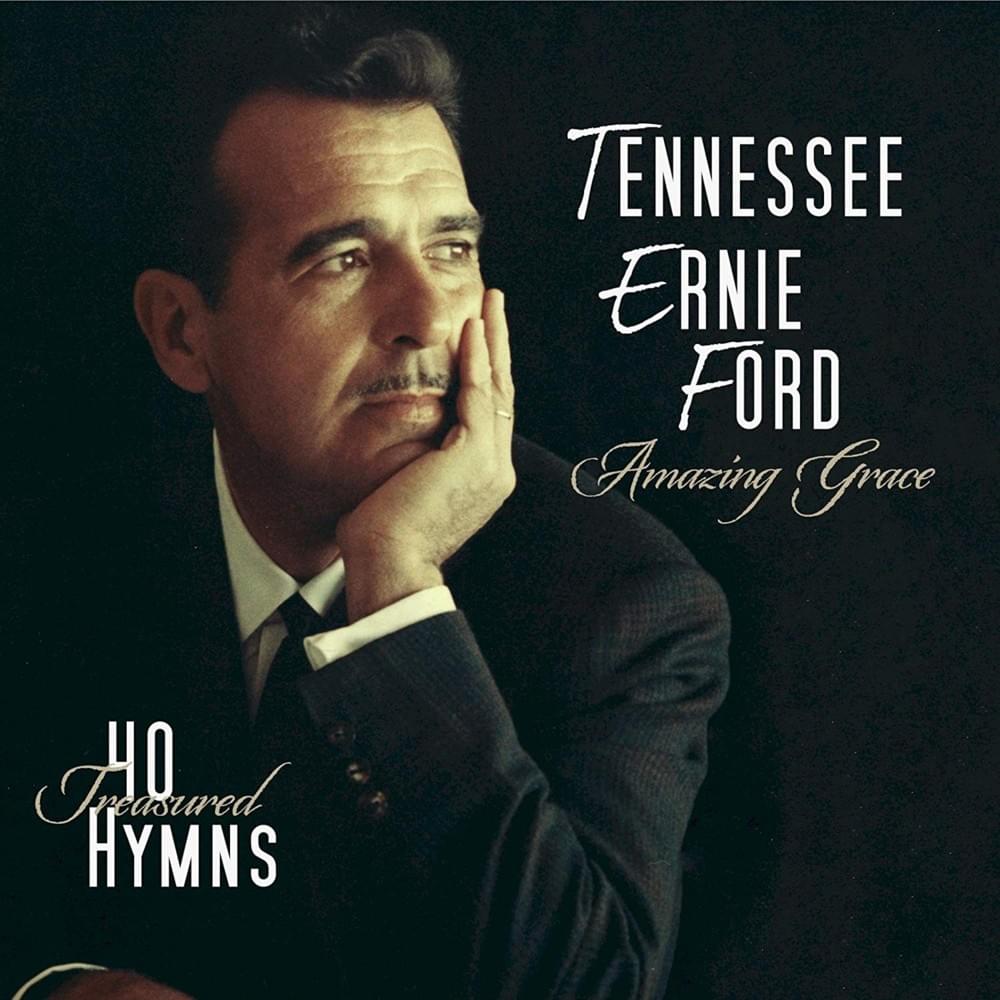
Tennessee Ernie Ford's rendition of "A Mighty Fortress Is Our God" isn't just a hymn; it’s a deeply personal and culturally resonant declaration of faith. The central image, the "old rugged cross," initially presented as an emblem of "suffering and shame," undergoes a profound transformation throughout the song. It evolves from a symbol of historical crucifixion into an object of profound personal connection and spiritual aspiration. This transformation hinges on the listener's (or singer's) active choice to "cherish" and "cling to" it, effectively re-framing suffering as a pathway to redemption. The lyrics suggest a deliberate embrace of a worldview that inverts conventional values. What the world "despises" becomes a source of "wondrous attraction." This psychological inversion is a key element of the song's enduring appeal, offering solace and meaning to those who find themselves at odds with mainstream society. The "old rugged cross" isn't merely a historical artifact; it’s a mirror reflecting the believer's own struggles and a promise of future reward. It's a tangible representation of faith, a constant reminder of sacrifice and the potential for salvation.
The recurring lines, "So I'll cherish the old rugged cross/Till my trophies at last I lay down; I will cling to the old rugged cross/And exchange it some day for a crown," act as both a mantra and a statement of intent. They emphasize the active, ongoing nature of faith. It’s not a passive acceptance but a continuous choice to prioritize spiritual values over worldly achievements ("trophies"). The promise of exchanging the cross for a "crown" speaks to the eschatological hope inherent in Christian belief – the idea that earthly suffering will be rewarded with eternal glory. This promise serves as a powerful motivator, encouraging believers to persevere in the face of adversity. The song's meaning resonates deeply due to its focus on personal transformation and the promise of ultimate vindication.
Furthermore, the lyrics touch on themes of atonement and grace. The lines referencing Jesus as the "dear Lamb of God" who bore the cross to "dark Calvary" highlight the belief that his sacrifice was made to "pardon and sanctify" humanity. This concept of divine grace, of undeserved forgiveness and redemption, is a cornerstone of Christian theology and a powerful source of comfort for believers. The song suggests that through identification with Christ's suffering, one can achieve a state of spiritual purity and reconciliation with God. The final verse, with its declaration of unwavering loyalty to the cross and willingness to bear its "shame and reproach," reinforces this idea of commitment and sacrifice. Ultimately, Tennessee Ernie Ford's powerful rendition of "A Mighty Fortress Is Our God" is an affirmation of faith, a testament to the transformative power of belief, and a celebration of the hope for eternal life.
 View Artist