Song Meaning
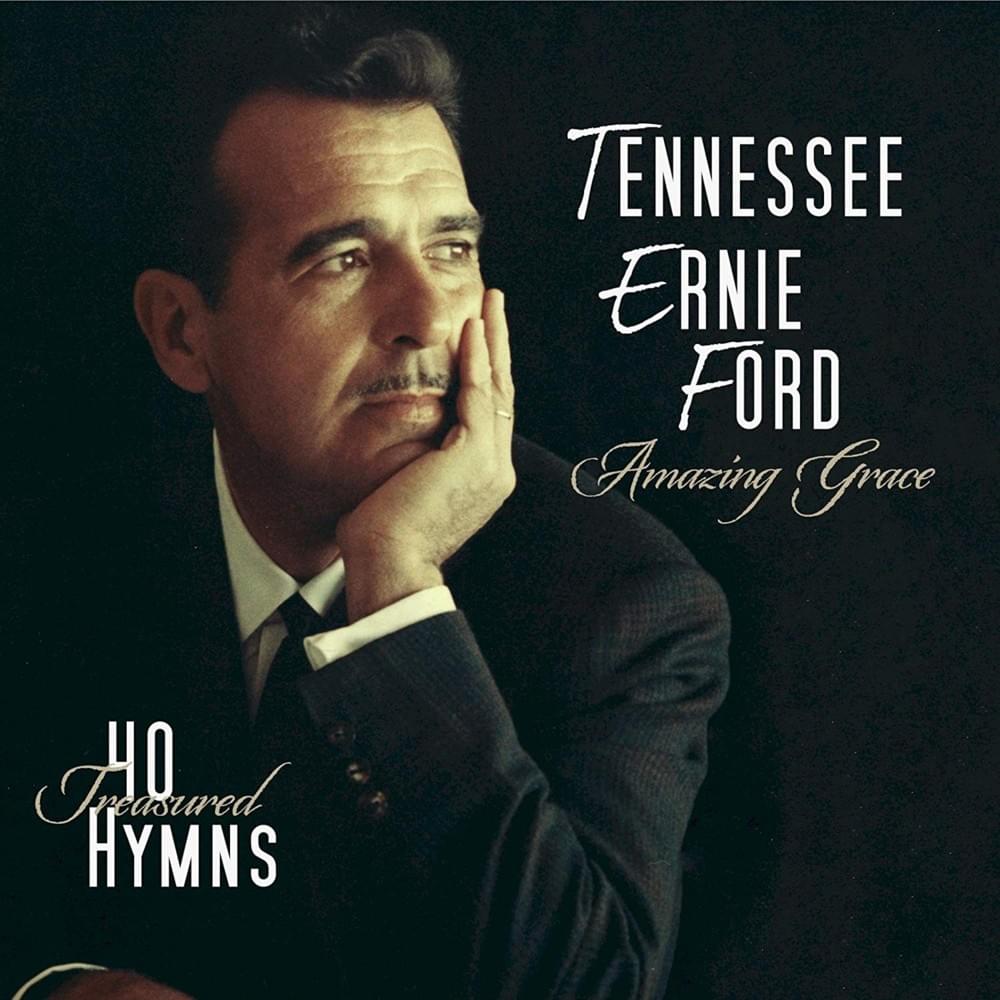
Tennessee Ernie Ford's rendition of "Rock of Ages" is less a performance and more a deeply felt supplication. The hymn, stripped bare of modern artifice, becomes a raw, vulnerable plea for refuge. Ford, a master of conveying sincerity, uses his rich baritone to amplify the lyric's core theme: utter dependence on a higher power. The 'Rock of Ages' isn't just a metaphor; it's the only sanctuary from a world awash in sin and mortality. The opening lines, 'Rock of Ages, cleft for me, Let me hide myself in thee,' aren't merely sung; they're practically etched into the listener's soul.
The song's power resides in its stark acknowledgement of human inadequacy. The lyrics pull no punches about the inability of earthly efforts—'Could my tears forever flow? Could my zeal no languor know?'—to achieve redemption. This isn't about earning salvation; it's about acknowledging the necessity of divine grace. The singer arrives empty-handed ('In my hand no price I bring'), clinging solely to the cross as the only viable lifeline. It speaks to a universal yearning: the desire to shed the weight of personal failings and find solace in something larger than oneself.
Ultimately, "Rock of Ages," as interpreted by Ford, transcends its religious origins to tap into a fundamental human need for safety and absolution. The final verse, looking towards death and judgment ('When my eyelids close in death...And behold Thee on Thy throne'), underscores the timelessness of this need. The repetition of 'Let me hide myself in thee' becomes less a request and more a mantra, a final, desperate yearning for peace amidst the chaos of existence. It’s a musical embodiment of existential vulnerability, delivered with the gravitas and conviction that only Tennessee Ernie Ford could muster.
 View Artist