Song Meaning
The poem opens with a stark, almost primal image of a midnight forest, a space alive with something beyond the sterile ticking of clocks and the emptiness of a blank page. This internal landscape feels both isolated and expectant, hinting at a creative or mental process stirring in the darkness. The narrator observes this internal world, noting a lack of external guidance ('no star') but a powerful, encroaching presence from within.
The central tension arises from the emergence of this 'something else' into the narrator's consciousness. It's described with the delicate, almost furtive movements of a fox in snow – a creature of instinct and wildness. The repetition of 'now' emphasizes the immediate, unfolding nature of this arrival, while the 'lame shadow' suggests a hesitant or perhaps imperfect manifestation. This wildness is 'bold to come across clearings,' pushing into the narrator's awareness.
The most striking aspect is the transformation of this externalized, wild image into an internal one. The 'fox's nose' touching a twig becomes 'two eyes' and then a 'widening deepening greenness,' a sensory experience that is 'brilliantly, concentratedly' focused. The climax arrives with a visceral, almost overwhelming sensory detail: 'a sudden sharp hot stink of fox,' which then 'enters the dark hole of the head.' This is the moment of inspiration or thought fully arriving, a raw, animalistic force taking root.
This raw, sensory arrival is what makes the poem so potent. The shift from the abstract loneliness of the clock and page to the concrete, almost olfactory experience of the fox creates a powerful metaphor for the genesis of an idea. The final lines, 'The window is starless still; the clock ticks, / The page is printed,' confirm that the external world remains unchanged, but the internal space has been irrevocably altered, filled with the 'printed' result of this wild, internal encounter.
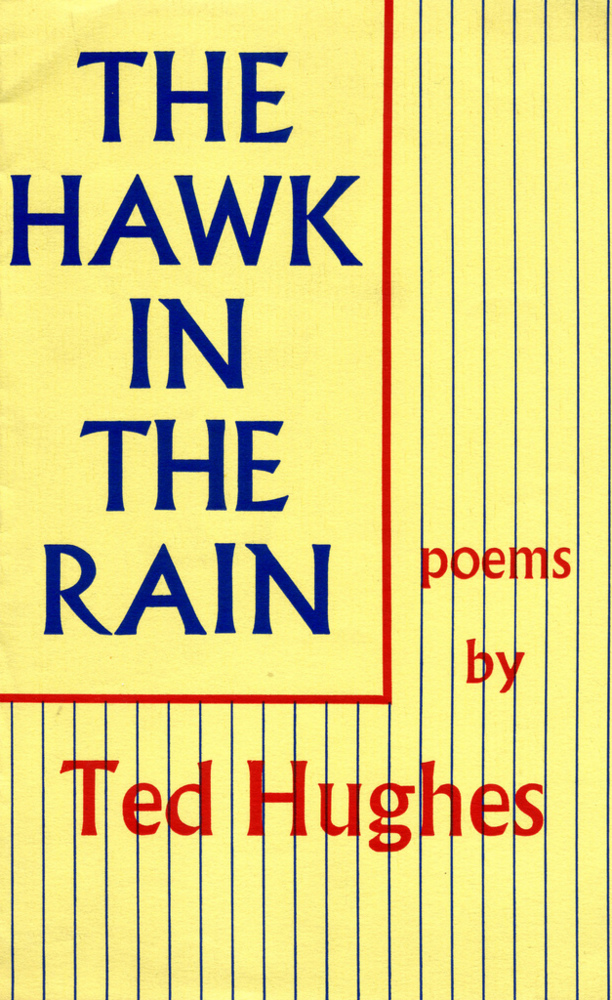
 View Artist