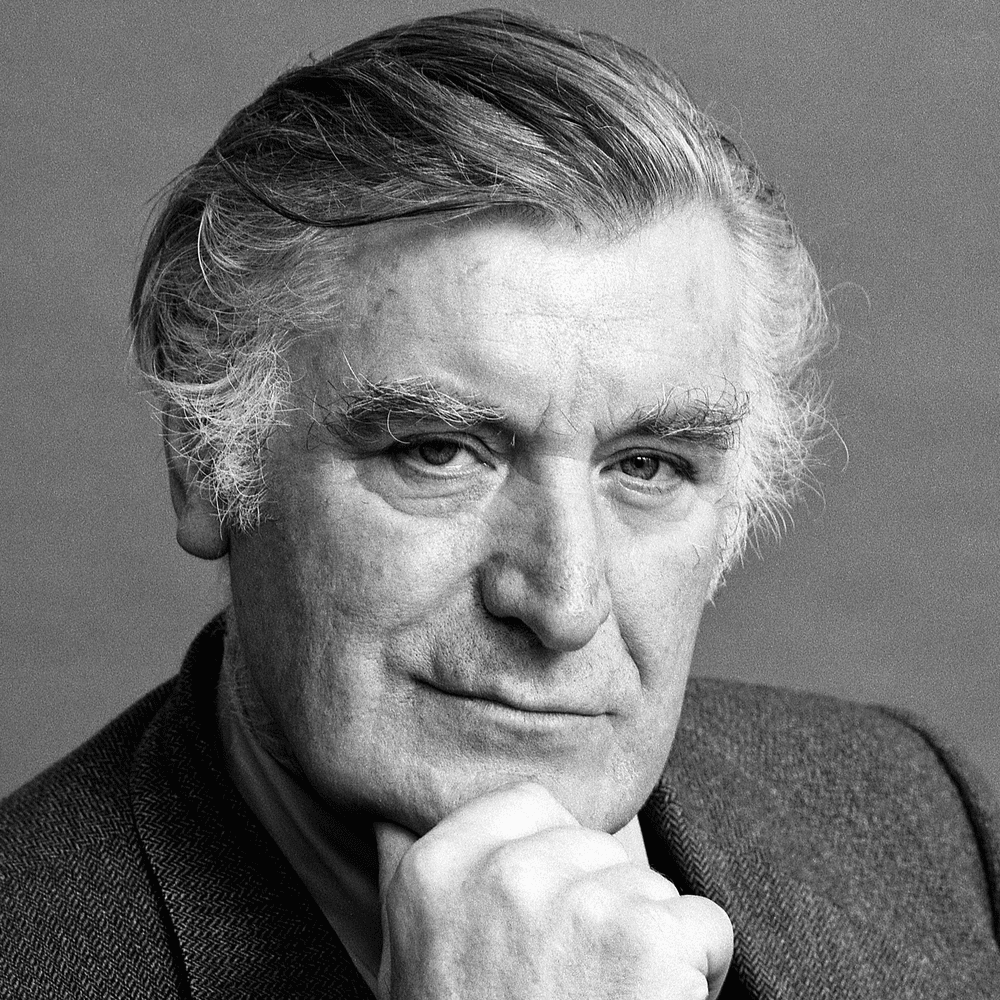
Photo of Ted Hughes

Ted Hughes

183 Listeners

Artist Bio

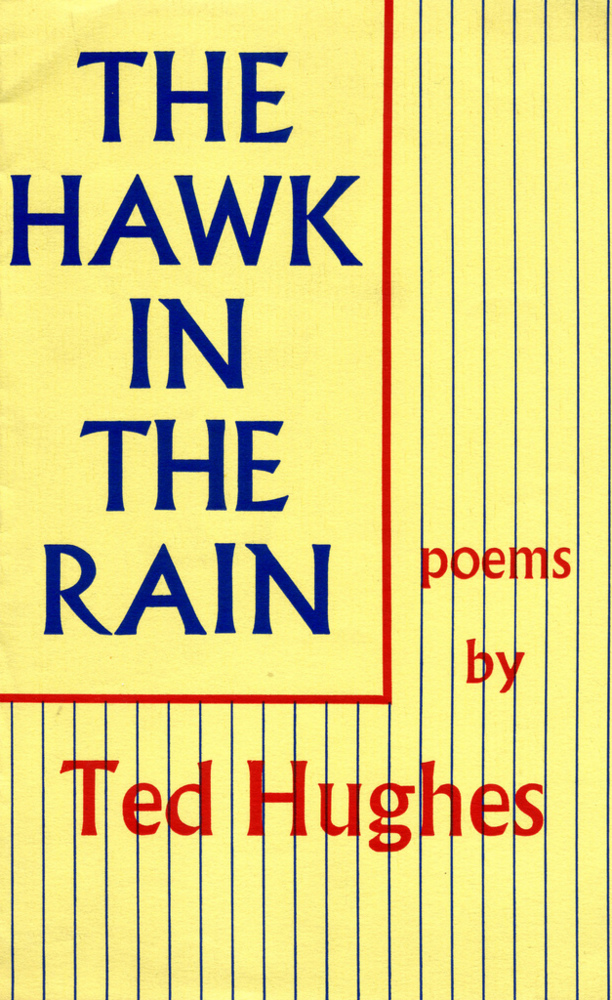
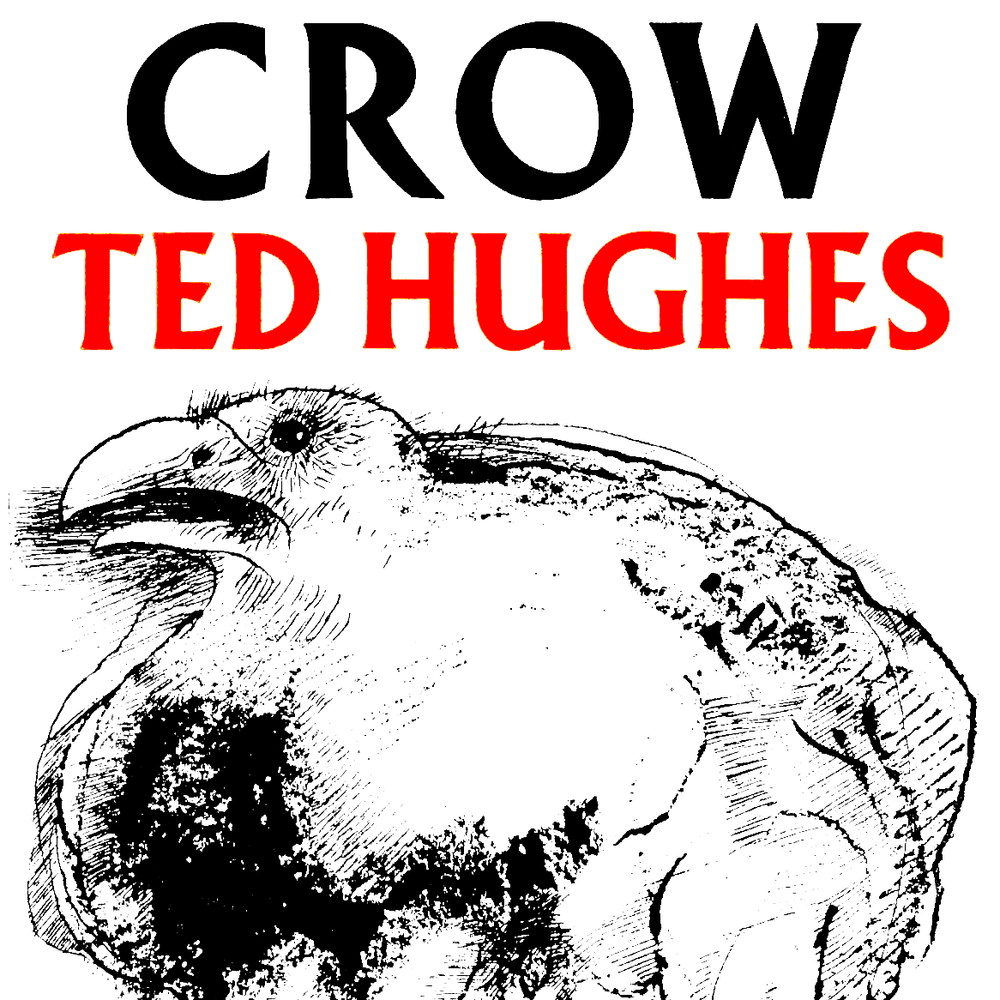
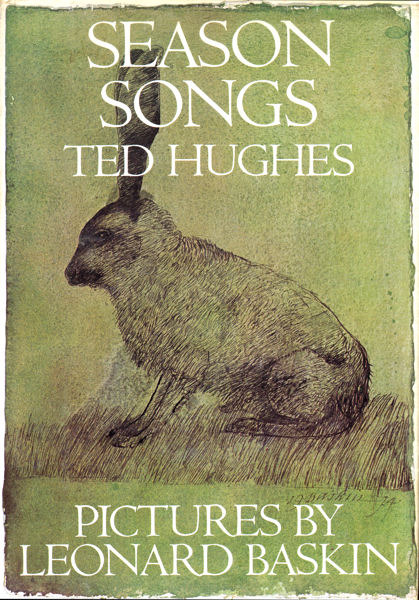
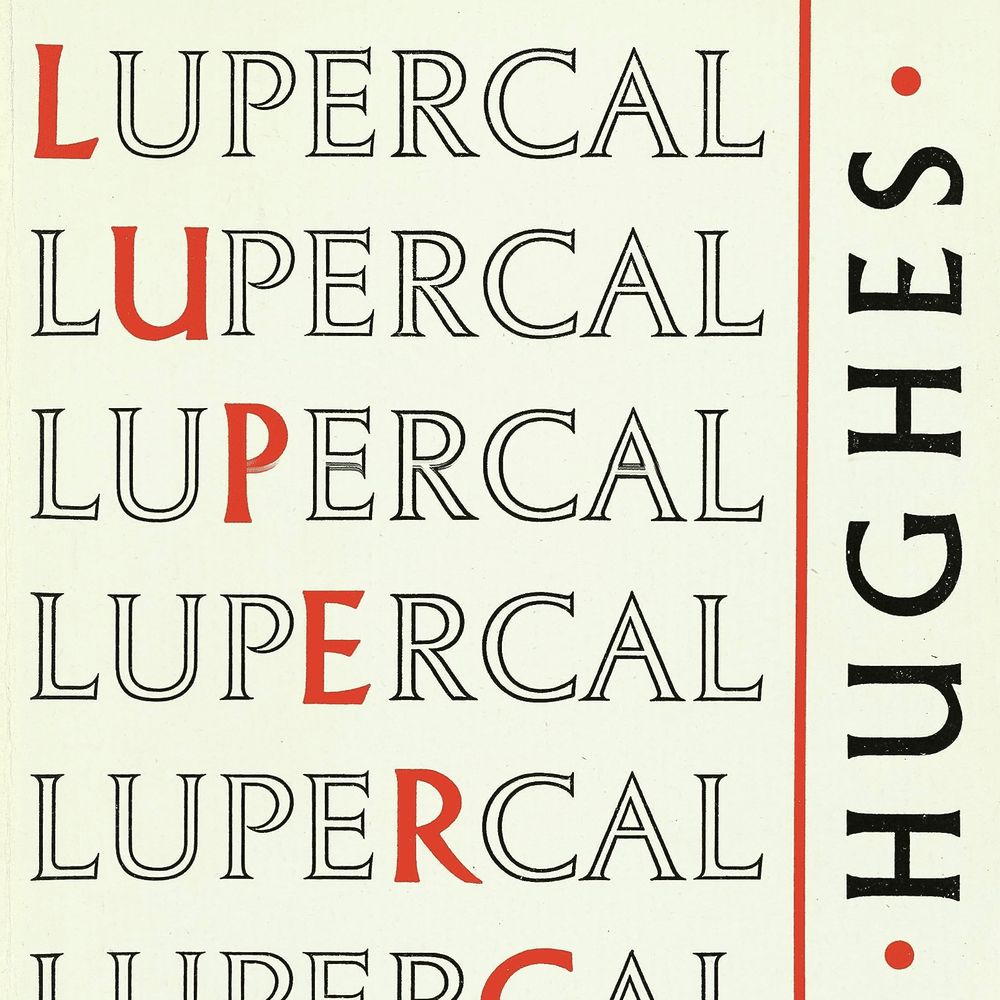
Ted Hughes: Still Savage After All These Years Introduction & Current Status Ted Hughes, the 20th-century titan of poetry, might not be topping the charts today but his words still resonate with a savage energy that feels surprisingly current. His unflinching gaze at nature, myth, and the darker corners of the human psyche continues to inspire artists and readers alike. Hughes wasn't afraid to get his hands dirty with the raw stuff of life, and that's a vibe that never really goes out of style. While you won't find Hughes dropping surprise albums, his influence echoes through contemporary poetry, music, and even visual arts. His work is constantly being rediscovered and reinterpreted, proving that true artistic grit transcends fleeting trends. He remains the poet laureate of the soul, for anyone wrestling with what it means to be human in a world that often feels… feral. Early Life & Background Born in Mytholmroyd, Yorkshire, in 1930, Edward James “Ted” Hughes grew up surrounded by the rugged landscapes that would later permeate his poetry. His father, a World War I veteran, instilled in him a deep respect for nature and a keen awareness of its brutal realities. This early exposure to both beauty and harshness shaped Hughes's unique perspective. Young Ted spent his childhood exploring the moors and rivers of Yorkshire, developing a fascination with animals and the natural world. He devoured books on folklore, mythology, and natural history, fueling his imagination and providing a rich tapestry of imagery for his future poems. It's rumored his obsession with badgers started way back then. Career Beginnings Hughes's poetic journey began in earnest during his time at Cambridge University, where he studied English, archaeology, and anthropology. He quickly gained recognition for his powerful and visceral verse, winning several prestigious awards and attracting the attention of established literary figures. Cambridge was cool, but Hughes was cooler. His early work, characterized by its raw energy and unflinching portrayal of nature, challenged the prevailing poetic conventions of the time. He didn't shy away from difficult subjects, exploring themes of violence, death, and the primal instincts that drive both humans and animals. The Hawk in the Rain, his debut collection, established him as a major new voice in British poetry. Major Albums & Discography Hughes's discography (so to speak) is a testament to his restless creativity and his willingness to experiment with different forms and styles. The Hawk in the Rain announced his arrival, showcasing his striking imagery and unflinching gaze. He wasn't playing around. Later works like Wodwo delved deeper into myth and folklore, exploring the hidden forces that shape human experience. Crow, perhaps his most controversial and challenging collection, presented a bleak and apocalyptic vision of the world, filtered through the eyes of a mythical trickster figure. Cave Birds followed, and continued his exploration of primal themes. Collections such as Season Songs and Earth-Moon show a different side of Hughes, celebrating the beauty and wonder of the natural world. Lupercal continued his success, cementing his place in the literary world. Finally, Selected Poems 1957–1967 and Selected Poems 1957–1994 offer a comprehensive overview of his poetic development. Hit Songs & Signature Tracks While Hughes didn't exactly drop *songs*, his poems possess a rhythmic intensity and a lyrical quality that makes them feel almost musical. "The Hawk in the Rain" is a prime example of his early style, full of raw energy and vivid imagery. It practically screams main character energy. "The Jaguar" is another early banger that captures the untamed spirit of the animal world. "The Bull Moses" showcases Hughes's ability to imbue ordinary subjects with mythic significance. "Wodwo" is a mind-bending exploration of identity and alienation. "Earth-Moon" displays his capacity for wonder. Other signature tracks include "Mayday on Holderness", "BullFrog", and "Skylarks", each offering a unique glimpse into Hughes's poetic vision. Even "Christmas Card" has a certain Hughes-ian darkness to it. Collaborations & Features Though primarily a solo artist, Hughes engaged in several notable collaborations throughout his career. He worked with composers, playwrights, and other poets, bringing his unique vision to a variety of creative projects. His collaborations often resulted in multimedia performances and innovative adaptations of his work. One of his most significant collaborations was with the composer Richard Blackford, resulting in the opera "The Golden Ass." Hughes also worked closely with Peter Brook on several theatrical productions, bringing his poetic sensibility to the stage. Awards & Achievements Hughes received numerous awards and accolades throughout his career, solidifying his place as one of the most important poets of the 20th century. He served as Poet Laureate of the United Kingdom from 1984 until his death in 1998. That's a pretty big deal. His other honors include the Somerset Maugham Award, the Queen's Gold Medal for Poetry, and the Whitbread Book of the Year Award. Hughes's work continues to be recognized for its originality, power, and enduring relevance. Personal Life Hughes's personal life was often overshadowed by tragedy and controversy, particularly his marriage to Sylvia Plath and her subsequent suicide. This event haunted him for the rest of his life and became a recurring theme in his later work. The media was relentless. Beyond the tabloid drama, Hughes was deeply committed to environmental conservation and served as president of the River Thames Society. He also established the Arvon Foundation, which provides creative writing courses for aspiring writers. Moon-Whales and Other Moon Poems is worth checking out! Musical Style & Influence Hughes's poetic style is characterized by its raw energy, vivid imagery, and unflinching portrayal of the natural world. His work often explores themes of violence, death, and the primal instincts that drive both humans and animals. He wasn't afraid to get dark. His influences ranged from mythology and folklore to modern science and psychology. Hughes, in turn, has influenced countless writers, artists, and musicians, who have been drawn to his unique vision and his powerful voice. He paved the way for poets who aren't afraid to get real. Recent Work & What's Next While Hughes passed away in 1998, his work continues to be published and celebrated. New collections and critical studies of his poetry appear regularly, ensuring that his voice remains relevant for future generations. His legacy lives on. Fans still speculate what Hughes would be writing about today. Many believe he'd have some pretty savage takes on social media and the current state of the world. His work remains a powerful reminder of the enduring power of poetry to confront the darkest aspects of human experience and to find beauty in the most unexpected places.

Popular Albums

Popular Songs

Reviews

Comments

Questions & Answers

Music Awards

0 Total

No Music Awards Found