Song Meaning
Sylvie Vartan's "Sha La La" isn't charting the depths of human misery, nor does it pretend to. Instead, the song radiates a pure, almost childlike joy, distilled from the simple affirmation of lasting love. The relentlessly repetitive "Sha la la" refrain becomes a sonic embodiment of giddy, unwavering optimism. It's less about lyrical complexity and more about capturing a feeling – the effervescent certainty that "jamais mon amour ne finira" (my love will never end). In a world saturated with cynical takes on romance, Vartan offers a refreshing dose of unapologetic belief in forever.
The lyrics themselves sketch a quick, economical portrait: a declaration of love received, a transformation experienced ("Maintenant tout est bien changé"), and a defiant stance against doubters ("Et tant pis pour qui n'y croit pas"). The simplicity is the key. It's not about the grand gestures or flowery prose, but the foundational promise of enduring affection. The "Sha la la" functions almost like a mantra, a sonic reassurance against the anxieties that inevitably creep into any relationship. The song's power lies in its accessibility; it taps into the universal desire for lasting connection.
Ultimately, “Sha La La” thrives on shared emotion. The explicit invitation to "Chantez avec moi" (Sing with me) transforms the song into a communal celebration. It’s an acknowledgment that joy, especially the joy of finding love, is best experienced when shared. The repetition is not a flaw but a feature, embedding the message of enduring love into the listener's subconscious. In a culture often obsessed with dissecting and deconstructing emotions, Sylvie Vartan’s “Sha La La” offers a simpler, more direct path: believe in love, sing about it, and share the joy.
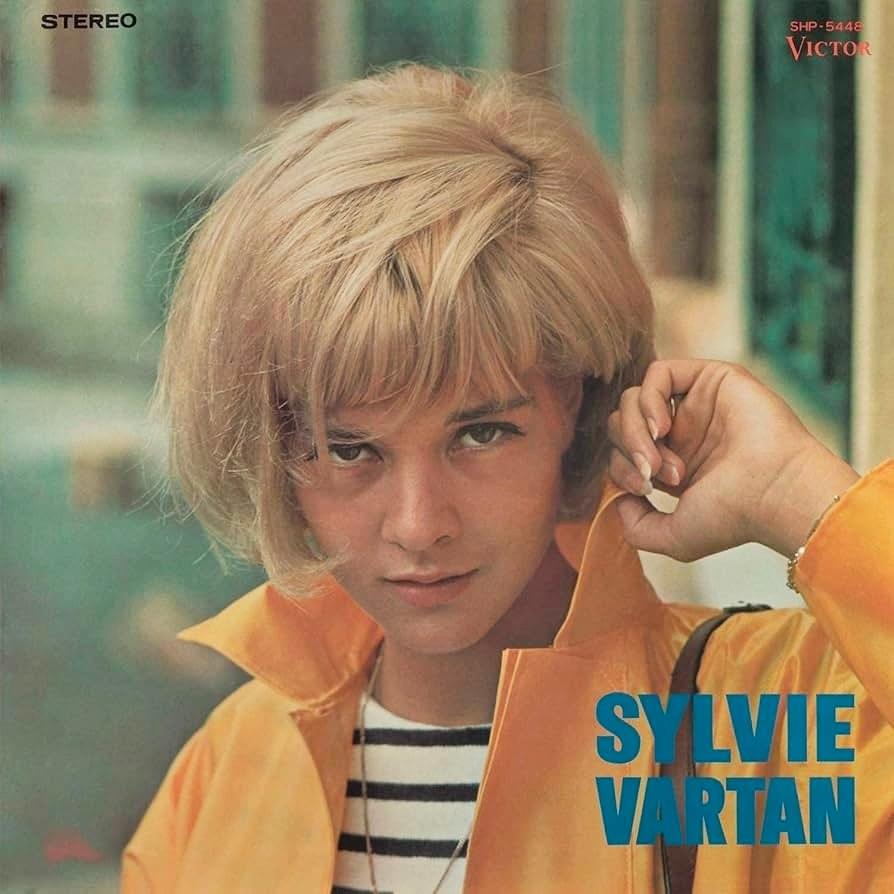
 View Artist