Song Meaning
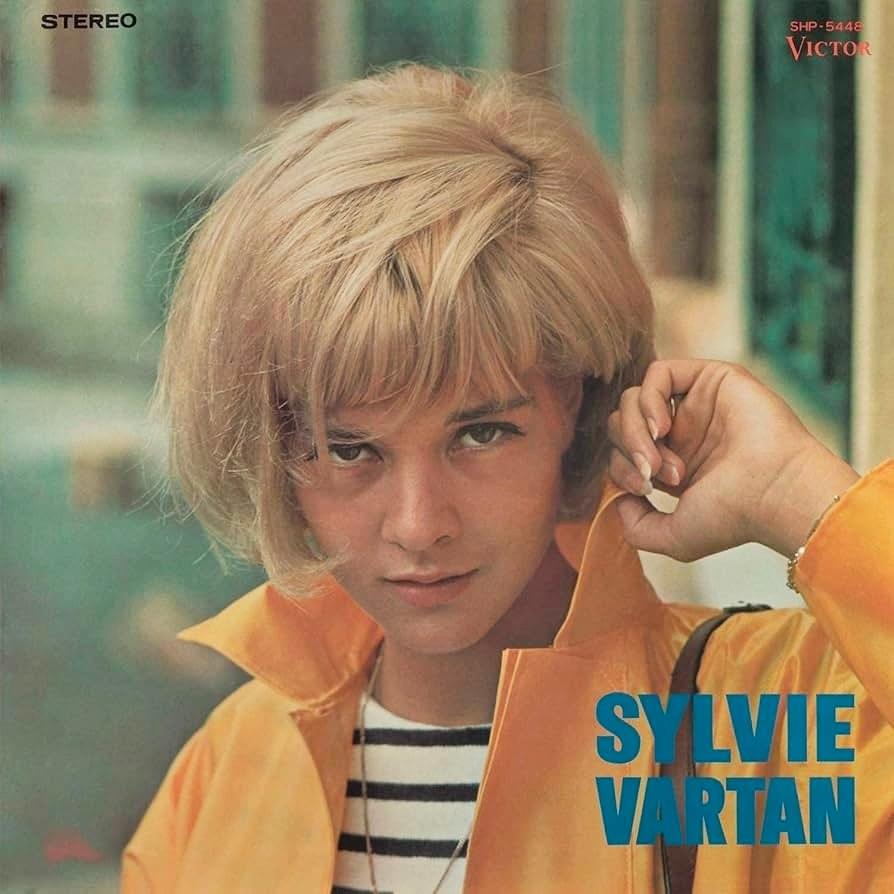
Sylvie Vartan's "La Vie Sans Toi" isn't just a ballad; it's a raw, exposed nerve of regret and dependence. The song meaning bleeds from the opening lines, where Vartan wanders alone through the night, finding solace only in dreams of a lost love. This isn't a casual pining; it's a fundamental inability to move forward, a life rendered meaningless by the absence of another. The repeated phrase, "Je ne vois plus la vie sans toi" ("I can no longer see life without you"), becomes a desperate mantra, an admission of a void so profound it consumes her entire existence. The almost primal "Ahou" that bookends sections of the song, feels like a cry from the depths of the singer's soul. It's the sound of pure, unadulterated anguish.
The lyrics betray a past transgression, a confessed lie that fuels her current torment. "J'ai menti, bien sûr, je sais / Depuis ce jour, j'ai des regrets" ("I lied, of course, I know / Since that day, I have regrets"). This admission adds another layer to the song's emotional complexity. It's not simply about missing someone; it's about the crushing weight of knowing she is responsible for the separation. The plea for forgiveness isn't just about reconciliation; it's about the singer's desperate need to absolve herself of guilt and restore meaning to her life.
"La Vie Sans Toi" operates on the precipice of despair. The singer's world has shrunk to encompass only her sorrow and loneliness, described as "rien que mon ennui / Et mon chagrin aussi" ("nothing but my boredom / And my sorrow too"). The nights are filled with hope and prayer, a desperate clinging to the possibility of the loved one's return. It's a testament to the intoxicating, sometimes destructive, power of love and the devastating consequences of its loss, amplified by the singer's acknowledged role in its demise. Sylvie Vartan doesn't just sing about heartbreak; she embodies the shattering of a life dependent on another.
 View Artist