Song Meaning
The lyrics grapple with the persistent question of how we endure life's relentless challenges, suggesting a hopeful, almost mystical, belief in an unseen force or inherent resilience. The narrator ponders the inexplicable way things often resolve themselves despite overwhelming odds, framing this survival as a shared human experience. It’s a contemplation on finding a way through, even when the path is unclear or fraught with peril.
The core tension arises from the contrast between the mundane struggles of everyday life and the specific, high-stakes moments of crisis. The recurring phrase "That's when I needed you" anchors these abstract musings to a concrete, albeit undefined, source of support. These moments are depicted as dangerous and chaotic – a stolen car at high speed with lights off, or a violent scene in a shady bar – underscoring the desperation and vulnerability felt during these critical junctures.
The most striking aspect is the juxtaposition of these intense, almost cinematic, crisis points with the quiet, introspective act of "look[ing] through old photos." This shift from external danger to internal reflection highlights a coping mechanism. The "hollow steel" of sorrow suggests a cold, empty despair, making the search for solace in memories a poignant counterpoint to the immediate threats described.
Ultimately, the lyrics resonate because they tap into a universal feeling of facing down adversity, whether through external aid or internal fortitude. The ambiguity of "you" allows listeners to project their own sources of strength, be it a person, a higher power, or an inner resolve. The song’s power lies in its honest portrayal of vulnerability and its quiet affirmation that, somehow, we find a way to keep going.
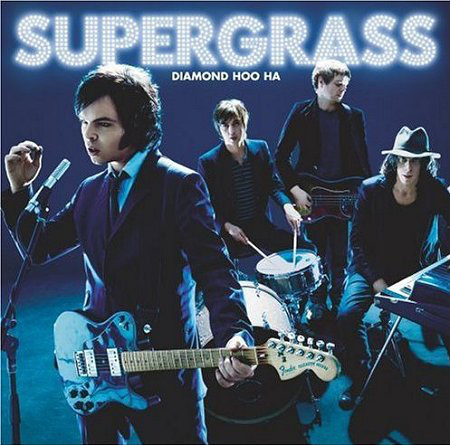
 View Artist