Song Meaning
The lyrics paint a picture of a chaotic, self-destructive pursuit of fleeting desires, contrasted with a desperate plea for reconciliation. The opening lines about finding "dreams in animal scenes" at a nightclub suggest a wild, impulsive environment where the narrator is drawn to someone, feeling an immediate, almost primal attraction. This initial excitement quickly devolves into a pattern of self-sabotage, as the narrator admits, "I wanted a change, I blew it again." The repeated phrase "do what you want and do it again" highlights a reckless abandon that fuels this destructive cycle.
The core tension lies in the narrator's simultaneous actions and their emotional fallout. They confess, "I didn't mean to, try and deceive you," immediately followed by the crushing admission, "Now I'm feeling so ugly." This juxtaposition reveals a deep internal conflict: a desire to connect and be loved, yet an inability to act in ways that foster it. The plea, "Yes I hurt you, baby I love you, And I want you to come home now," underscores this painful paradox – causing harm while professing love and yearning for the very person they've wronged.
The most striking aspect of the craft is the persistent, almost ritualistic repetition of "I blew it again." This isn't just a confession; it's a self-fulfilling prophecy, a mantra that seems to guide the narrator's actions. The lyrics also employ a stark contrast between the external scene of "animal scenes" and the internal state of feeling "ugly" and regretful. The narrator's inability to "walk the line" and their disbelief that the other person would actually leave ("I didn't believe it") further emphasize a profound disconnect from reality and the consequences of their behavior.
Ultimately, the effectiveness of these lyrics stems from their raw, unflinching portrayal of self-inflicted pain and the desperate, almost pathetic, hope for redemption. The simple, direct language of the chorus – "I didn't mean to, try and deceive you, Now I'm feeling so ugly" – hits hard because it captures a universal human experience of regret and the shame that follows destructive choices. The repeated pleas to "come home" ground the chaos in a tangible, emotional anchor, making the narrator's vulnerability palpable.
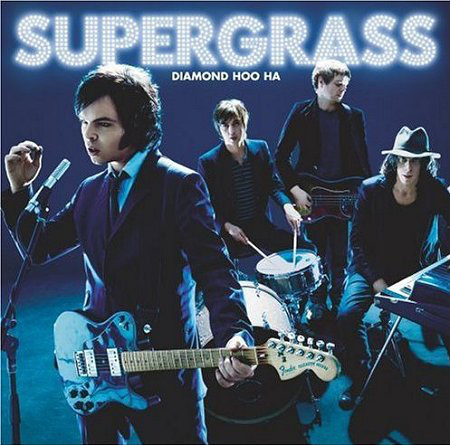
 View Artist