Song Meaning
The lyrics present a stark, almost brutal dichotomy, immediately establishing a power imbalance. The repeated assertion, "I am Santa's helper, you are Santa's slave," isn't just a statement; it's an accusation hammered home through relentless repetition. This isn't about festive cheer; it's about a perceived hierarchy where one party is a willing participant, perhaps even a beneficiary, while the other is trapped in servitude. The sheer volume of the repetition underscores a sense of inescapable reality or a desperate attempt to convince oneself of this dynamic.
The core tension here lies in the contrast between "helper" and "slave." A helper implies agency, a degree of choice, and perhaps even a shared goal. A slave, however, denotes coercion, lack of freedom, and exploitation. The lyrics force us to confront this extreme framing, suggesting a relationship where one person feels empowered and the other utterly subjugated, all under the guise of a universally recognized figure like Santa Claus. It's a subversion of the holiday spirit into something far more transactional and unequal.
The most striking aspect of the craft is the absolute, unwavering repetition. There's no variation, no nuance, just the same two phrases cycling endlessly. This sonic sledgehammer effect leaves no room for interpretation beyond the stark contrast presented. It creates a feeling of being trapped in a loop, mirroring the perceived endless labor of the "slave" and the unchanging status of the "helper." The simplicity is its power, forcing the listener to focus solely on the loaded terms.
This lyrical structure is effective because it bypasses subtlety and hits with raw, unvarnished emotional force. The relentless rhythm and the loaded language create an immediate, visceral reaction. It forces a contemplation of unequal dynamics, using the familiar, almost childlike imagery of Santa Claus to highlight a harsh, adult reality of power and control. The impact comes from the sheer, unyielding insistence on this unequal division.
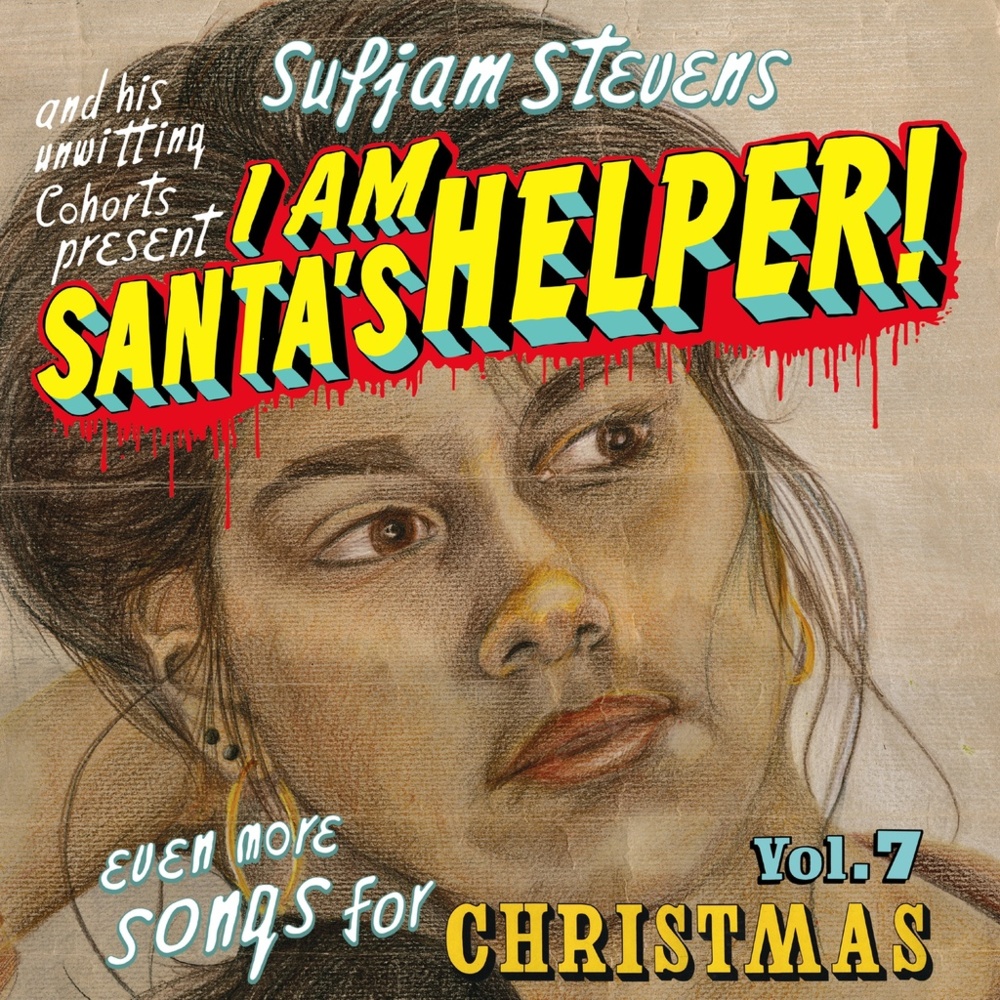
 View Artist