Song Meaning
The lyrics paint a vivid picture of divine intervention, framing a powerful, almost apocalyptic arrival. The opening lines establish a scene of immense, awe-inspiring power, where the narrator has witnessed something profound. This isn't a gentle coming; it's an active, forceful presence, suggested by the imagery of trampling and the 'terrible swift sword.' The dominant tone is one of righteous, unstoppable force, a judgment being enacted.
The central tension lies in the juxtaposition of immense power and unwavering conviction. The 'coming of the Lord' is presented as a force of nature, yet it's deeply tied to a moral imperative – 'His truth is marching on.' This suggests a divine justice that is both overwhelming and morally absolute, leaving no room for doubt or opposition. The imagery of 'grapes of wrath' implies a reckoning, a consequence for stored-up wrongdoing.
The most striking craft element is the relentless, declarative rhythm and the potent, almost violent imagery. Phrases like 'trampling out the vintage' and 'fateful lightening' create a sense of unstoppable momentum and decisive action. The repetition of 'Glory, Glory Hallelujah' amplifies this feeling, transforming the observation into a fervent, almost militant declaration of faith and certainty. It’s a sonic embodiment of the 'marching on' theme.
These lyrics resonate because they tap into a deep-seated human desire for ultimate justice and order. The sheer force and certainty conveyed through the language and structure offer a powerful sense of vindication. The narrator’s witness to this 'glory' becomes a shared experience, a testament to a truth that is not just believed but seen to be actively prevailing.
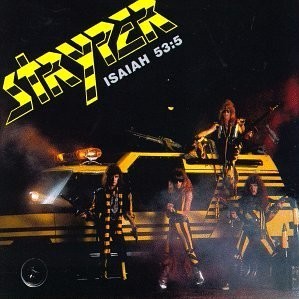
 View Artist