Song Meaning
The lyrics paint a vivid picture of youthful ambition and the inevitable passage of time. Initially, the narrator recalls a period of bold, pioneering spirit, "bold and fearless" and paving the way, suggesting a time of unbridled optimism and achievement. This era, though now relegated to "faded pages," is presented as the origin of a lasting "gift," hinting at the foundational experiences that shaped them. The opening verse establishes a tone of proud remembrance for a past where they felt powerful and in control.
The central tension arises from the contrast between that past reign and the present reality. The chorus, "When we were kings / Of our own time," is a poignant declaration of lost sovereignty. The youthful hope "to climb" has been met by the unavoidable force of "seasons change," which has altered "we." This shift has led to a deep "longing for what we used to be," a yearning for the perceived invincibility and purpose of their younger selves. The repetition of "We used to be" underscores the weight of this nostalgia.
The imagery of "dancing shadows / Upon the wall" in the second verse offers a more ephemeral, perhaps haunting, perspective on memory. These shadows "call," suggesting that the past is not entirely gone but continues to exert an influence, even as life's "rivers of life rage." The "turning page by page" metaphor reinforces the sense of a life unfolding, each chapter moving them further from the "kings" they once were. This cyclical imagery of pages turning and seasons changing highlights the passive yet relentless nature of time's progression.
Ultimately, the effectiveness of these lyrics lies in their direct, unadorned portrayal of a universal human experience: the bittersweet realization that youth's triumphs and freedoms are fleeting. The simple, declarative statements about being "kings" and then "longing" for that state resonate because they capture the emotional core of looking back. The craft lies in its ability to evoke a powerful sense of nostalgia and regret through straightforward language and a clear, cyclical narrative structure that mirrors the passage of time itself.
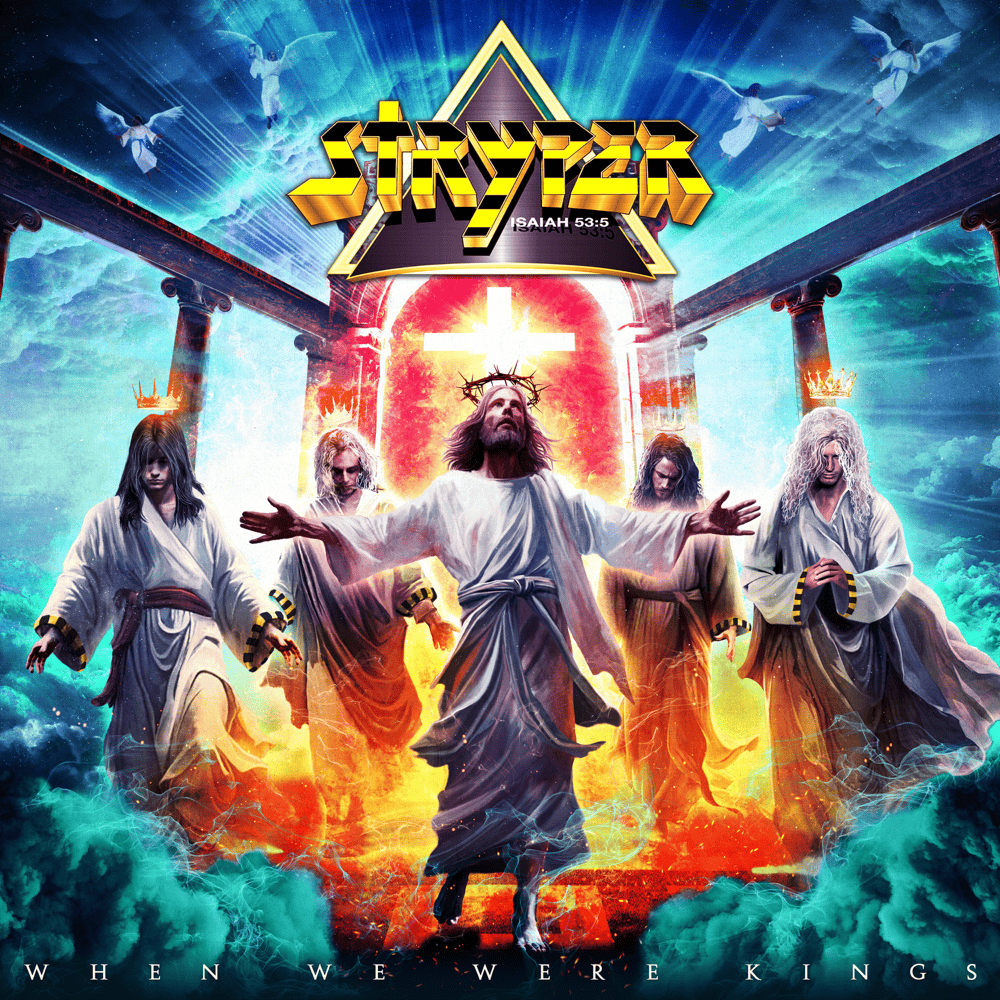
 View Artist