Song Meaning
The lyrics paint a stark, unsettling picture of a community being mobilized for conflict. The opening lines, "We go marching off to war," immediately establish a somber, almost ritualistic procession. This is amplified by the jarring imagery of the "Richter scale swings" and the ominous "Pile on those trains / Pile in that hearse," suggesting a catastrophic event or a mass, fatal undertaking. The scene quickly shifts to a chilling segregation, "Pools congregate the men / And segregate the girls," highlighting a societal division that feels deeply wrong, especially when paired with the narrator's visceral reaction: "I don't feel clean."
The central tension arises from the narrator's profound aversion to this impending "war" and the societal machinery driving it. The repeated phrase "Like hell bent inn" acts as a refrain, but its meaning is ambiguous and unsettling. It could imply a place of no return, a destination of damnation, or a state of being utterly committed to a destructive path. The narrator's plea, "Where are my girls?" underscores a sense of loss and separation, a desperate search for connection amidst the chaos and enforced divisions.
The most striking aspect of the craft is the juxtaposition of grand, almost geological forces ("Richter scale") with intimate, personal dread and the mundane details of movement ("trains," "hearse"). The "old man in his chair / With a leather shaven grin" adds a layer of disturbing, perhaps complicit, observation to the unfolding events. The narrator's direct rejection, "I don't want war / I don't need plays," is a powerful counterpoint to the seemingly inevitable "marching off to war," emphasizing a personal refusal against a collective, destructive momentum.
This lyrical construction is effective because it creates a palpable sense of unease and moral revulsion without explicit condemnation. The ambiguity of "hell bent inn" forces the listener to confront the unsettling implications of the scene, while the narrator's clear distress anchors the emotional weight. The fragmented, almost dislocated imagery captures the disorientation and dread of being swept up in forces beyond one's control, making the personal plea for connection and the rejection of war resonate deeply.
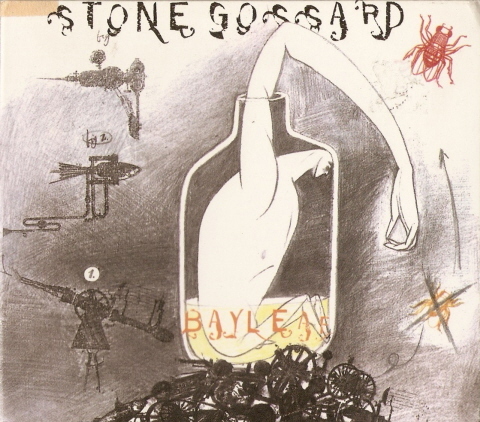
 View Artist