Song Meaning
The lyrics immediately dive into the elusive nature of a man's inner world, suggesting true understanding only comes through deep proximity. Without being "beside a man," his desires, fears, and feelings remain a mystery. This hidden emotional landscape is then quickly sidestepped by the chorus, which points a finger at "midnight" and "the moon." It's a quick, poetic deflection from personal accountability.
A core tension emerges from the repeated assertion that one cannot truly know another without intimate connection. Verse 1 emphasizes emotional depth – his hidden tears or feelings – while Verse 3 expands this to social complexities, hinting at hidden networks: "who he knows." This consistent refrain highlights a profound human isolation, where surface-level interactions fail to reveal the "real" nightmares or the intricate web of a person's life. The lyrics suggest a constant yearning for insight, yet acknowledge its inherent difficulty.
The most striking imagery arrives in Verse 2, portraying "a woman's heart" not just as a romantic destination, but as a formidable, almost sacred space. It's a place "Heaven opens up the door / Where angels fear to tread," suggesting immense power and potential peril. This vivid metaphor elevates intimacy beyond simple connection, making it a transformative, even dangerous, undertaking. The varied reactions of men – some "go crazy," some "never go" – underscore the profound, unpredictable impact of such deep emotional engagement.
Ultimately, the lyrics resonate by capturing the universal struggle to truly know another person, especially in the face of deep emotional stakes. The repeated emphasis on hidden truths, coupled with the chorus's romanticized evasion, creates a compelling narrative of human vulnerability and self-preservation. By blaming "midnight" and "the moon," the lyrics tap into a common impulse to externalize the complexities and consequences of our emotional lives, making the song feel both deeply personal and broadly relatable.
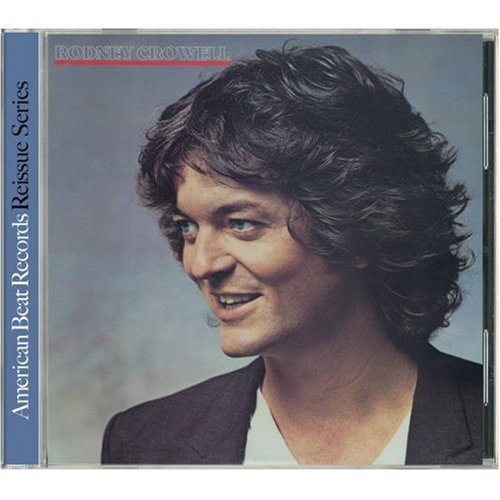
 View Artist