Song Meaning
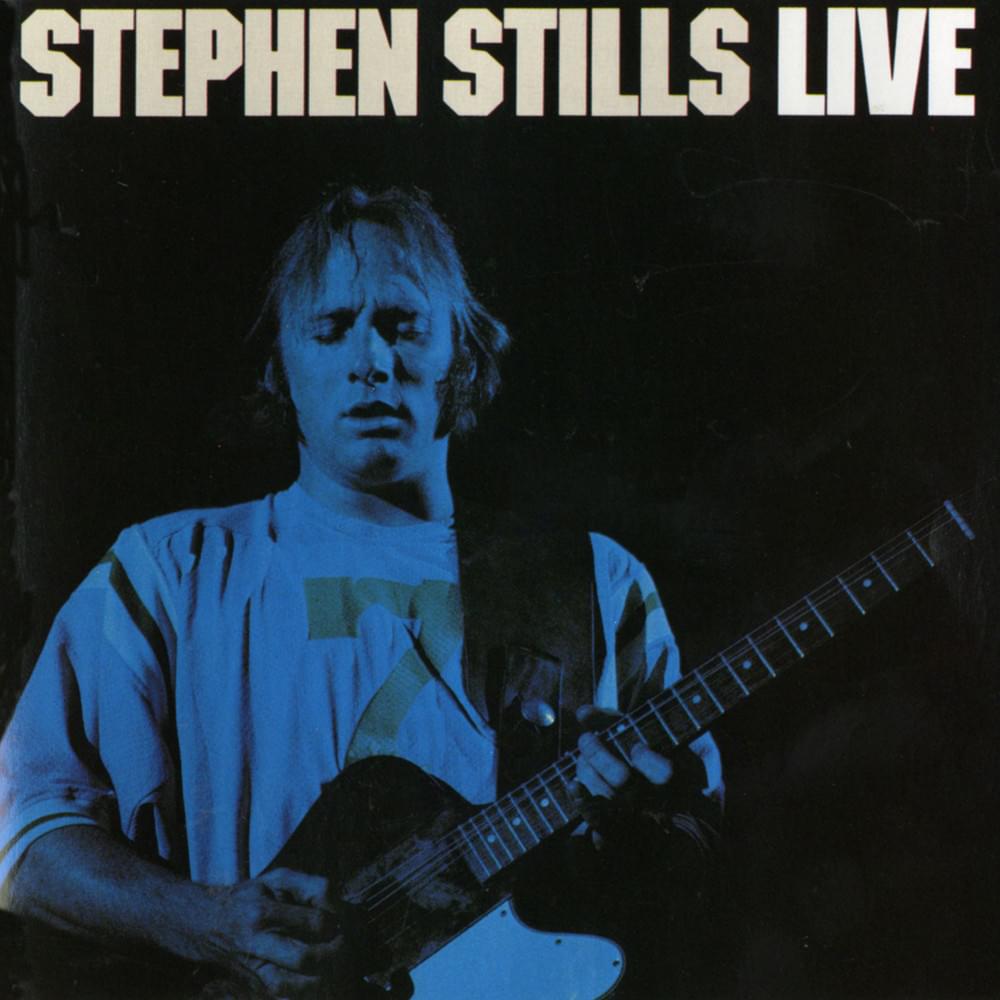
Stephen Stills' "Wooden Ships," especially in live renditions, transcends a simple protest song; it’s a haunting premonition of societal collapse and a desperate yearning for escape. The opening lines, seemingly naive in their call for universal understanding through a smile, quickly give way to the stark reality of division. The narrator's recognition of the other person as being 'from the other side' and the chilling question 'who won?' immediately plunges us into a world fractured by conflict – likely a direct commentary on the Vietnam War era, but resonating with any period of intense political polarization. The offer of 'purple berries,' a symbol of shared sustenance and perhaps even a shared psychedelic experience, hints at a fragile hope for connection amidst the chaos. This is not just about political disagreement; it is about survival in a world where basic human empathy is eroding.
The recurring image of 'wooden ships on the water, very free and easy' serves as both an idyllic counterpoint to the surrounding horror and a potential means of salvation. These ships represent a utopian vision, a community unbound by the constraints of land-based conflict. But even this vision is tinged with melancholy. The 'silver people on the shoreline' – perhaps those who choose to remain, or those who are unable to leave – are implored to 'let us be.' The freedom sought is not just physical; it's a freedom from judgment, from the relentless pressure of a dying world. The song isn't just an anti-war anthem; it's a lament for the loss of innocence and the desperate search for a new beginning.
The final verses are the most devastating. 'Horror grips us as we watch you die' suggests a collective trauma, a shared witnessing of societal decay. The chilling line, 'We are leaving – you don't need us,' underscores the profound sense of abandonment and the realization that some wounds are too deep to heal. The escape, symbolized by the 'fair wind, blowin' warm,' is not presented as a triumphant victory, but rather as a necessary act of self-preservation. Stills isn't offering a solution; he's painting a portrait of a world on the brink and suggesting that sometimes, the only option is to sail away and hope for a better horizon. The enduring power of "Wooden Ships" lies in its ability to capture the psychological weight of impending doom and the enduring human need for hope, even in the face of utter despair. A true lyrics analysis reveals a complexity beyond surface-level interpretation.
 View Artist