Song Meaning
Stephen Stills' "Marianne" is less a love song and more a psychological intervention set to music. The track, with its insistent questioning and repetitive calling of the titular name, paints a portrait of a woman adrift, possibly struggling with identity or self-perception. The lyrics suggest Marianne is perceived by others – perhaps unfairly – as "too much," while the narrator implies she doesn't even know herself. This disconnect between external judgment and internal understanding forms the crux of the song's emotional tension. Is Marianne genuinely lost, or is she simply misunderstood? Stills leaves it ambiguous, focusing instead on the narrator's increasingly urgent plea for her to "wake up." This could be interpreted as a call to self-awareness, urging Marianne to confront her issues and resist the pressures and expectations placed upon her. The phrase "outta this world" is used repeatedly, possibly hinting at escapism or detachment from reality, a common defense mechanism when facing overwhelming challenges.
The song's structure reinforces this sense of unease and concern. The simple, almost mantra-like repetition of "Marianne" creates a hypnotic effect, mirroring the narrator's persistent attempts to reach her. Lines like "Ain't no use in conversation" suggest a breakdown in communication, further isolating Marianne. The narrator's observation that she's a "sweet little heartbreaker" adds another layer of complexity. Is this a genuine assessment of her behavior, or a projection of his own fears and insecurities? The ambiguity is key, allowing listeners to project their own experiences and interpretations onto Marianne's character.
Ultimately, "Marianne" functions as a cautionary tale about the dangers of losing oneself in the face of external pressures and internal struggles. The song's enduring appeal lies in its empathetic portrayal of a woman on the edge, coupled with its insistent call for self-discovery and authenticity. It's a reminder that sometimes, the most profound act of love is simply urging someone to wake up and see themselves clearly.
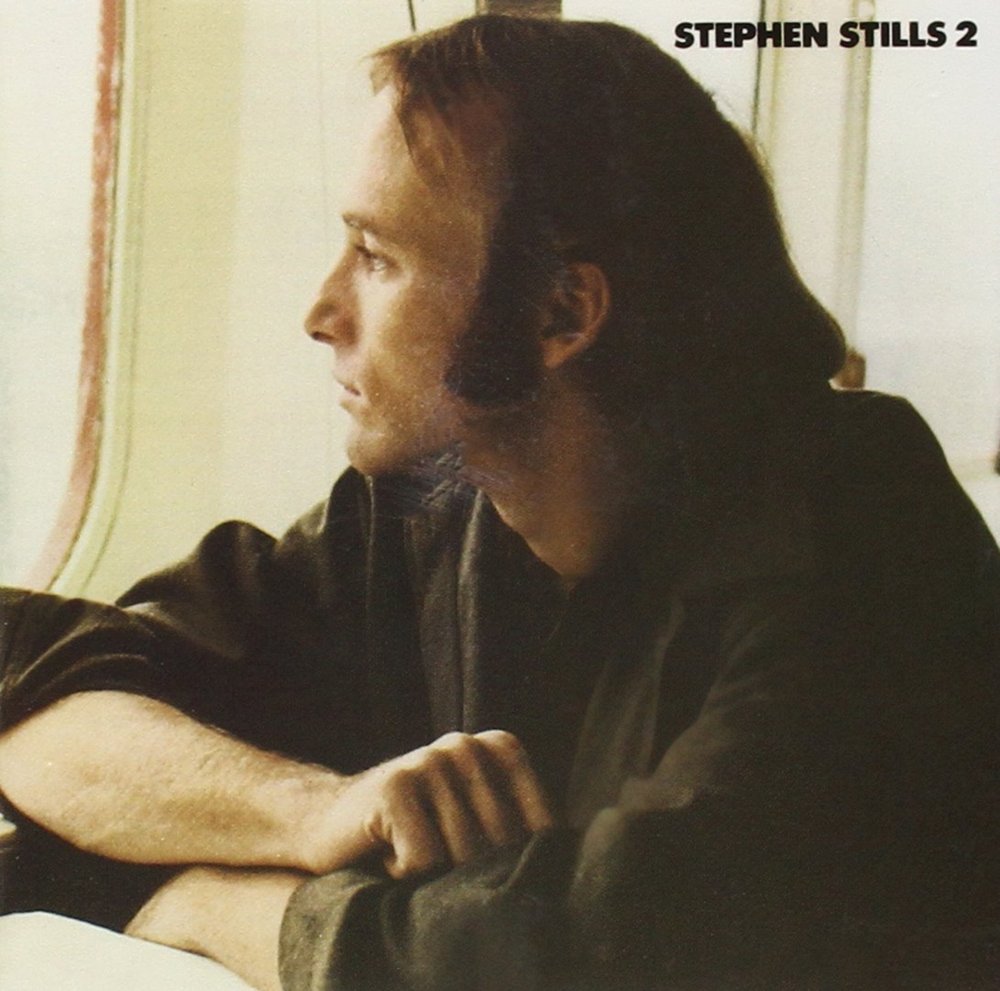
 View Artist