Song Meaning
Stephen Sondheim, a master of dissecting the human condition through musical theater, offers a fleeting, darkly comic snapshot of upper-middle-class ennui in "Rich and Happy #2." The fragment, more a vignette than a fully realized song, throws us headfirst into a conversation saturated with privilege and punctuated by brittle laughter. The husband's proud announcement of a new condominium purchase is immediately mirrored by the younger man's acquisition of a "little German motor bike," highlighting a vapid competition fueled by consumerism. These material possessions become pathetic substitutes for genuine connection or personal fulfillment. They are attempts to define themselves. They are trying to be rich and happy.
The younger woman's interjection about the merits of co-ops versus condos further underscores the superficiality of their concerns. Her question, framed as an intellectual inquiry ("Let me ask what do you think the place to live:") is transparently a way to flaunt her own (limited) knowledge and participate in the status game. The repetition of the condominium line emphasizes the cyclical, almost robotic nature of their interactions. It's a loop of shallow boasts and empty validation, devoid of any real substance. The casual namedropping of brands or types of property is a tell.
The spoken interjections of "Hi" between the husband, wife, and younger woman introduce a layer of awkward politeness, a thin veneer masking deeper tensions. The wife's abrupt "Oh, shut up!" shatters this pretense, revealing the simmering resentment and frustration beneath the surface. It's a moment of raw honesty that cuts through the carefully constructed facade of wealth and happiness, suggesting that the pursuit of material possessions has ultimately failed to deliver genuine contentment. Sondheim leaves us with this unsettling dissonance, a reminder that true happiness cannot be bought or acquired.
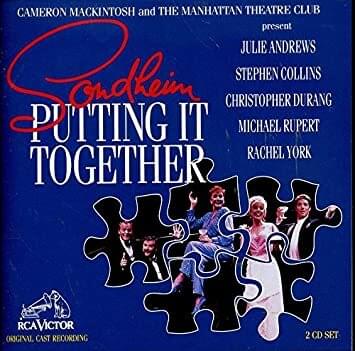
 View Artist