Song Meaning
This live recording of "Bogotá" begins with a fascinating backstage confession about its own creation. The piece was originally conceived to showcase a triangle soloist, a deliberate choice that immediately sets an unexpected sonic expectation. However, the narrative takes a sharp turn when the intended soloist, Ramon Lopez, decided the composition would be better suited for a conga drum, leading to a collaborative revision.
The core tension here lies in the subversion of artistic intent and the embrace of spontaneous adaptation. What was meant to be a delicate, perhaps minimalist, percussive feature transformed into something else entirely based on the performer's vision. This highlights a dynamic where the composer's initial idea is not sacrosanct, but rather a starting point open to significant alteration by the musician.
The most striking aspect is the meta-commentary on the creative process itself, revealed before the music even starts. The spoken introduction frames the upcoming instrumental piece not just as a performance, but as a document of artistic negotiation and compromise. It's an acknowledgment that the final form of the music is a result of a dialogue between the composer's blueprint and the performer's interpretation and technical preference.
This preamble makes the subsequent instrumental performance richer, inviting the listener to hear the conga drum not just as a sound, but as the embodiment of a decision. It's this candid, almost playful, revelation of the artistic journey that elevates the listener's engagement, turning a simple introduction into a compelling narrative about music's fluid nature.
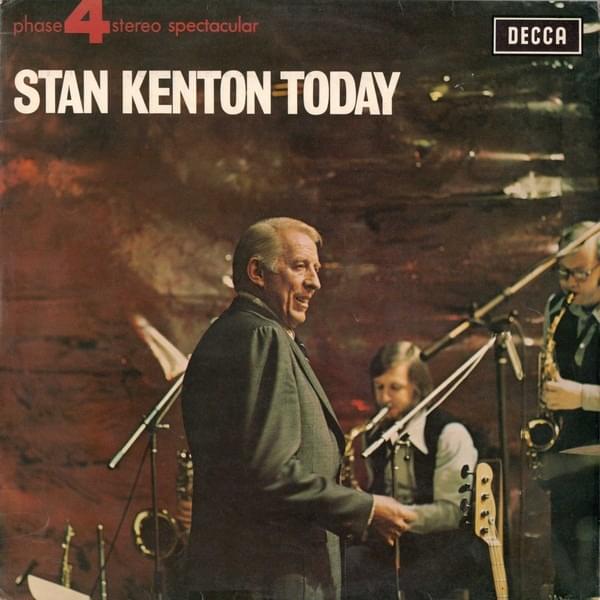
 View Artist